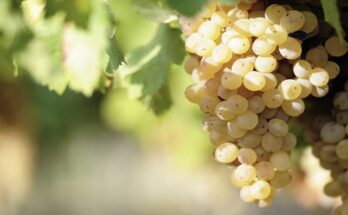
After a tasting session of wines from Jura (or Jura-esque wines) – see article here > https://winefolio.co.nz/?p=15072, my thoughts turned to the next article in the series of putting the spotlight on the world’s vast variety of grapes. Today, Savagnin is our star. It is perhaps one of the world’s most distinctive white grape varieties.
For anyone interested in wines that express place – terroir – Savagnin is one of the greatest grapes to explore. Savagnin belongs in the same conversation as Riesling, Chenin Blanc and Nebbiolo: not because it is widely planted, but because at its best it produces some of the most site-specific and memorable wines in the world.
Few white grapes transmit site as clearly. Move just a few hundred metres between different marl and limestone soils in Jura and experienced tasters can often distinguish the wines. This explains why producers like Ganevat and Tissot bottle numerous single-vineyard Savagnins. Unlike heavily aromatic varieties (such as Muscat), Savagnin doesn’t overwhelm terroir with primary fruit. Instead, it acts as a transparent medium through which climate, soil and winemaking choices become highly apparent.
An ancient variety that is thought to have originated in northeastern France or central Europe. It is NOT the same grape as Sauvignon Blanc, despite the similar name. It’s actually closely related to Traminer and Gewürztraminer (which is a pink mutation of Savagnin) This ancient family of grapes has been cultivated for centuries in the Alpine regions of Europe.
So, what does Savagnin taste like?
That depends enormously on how it’s made. And it is made in a couple of widely varying styles.
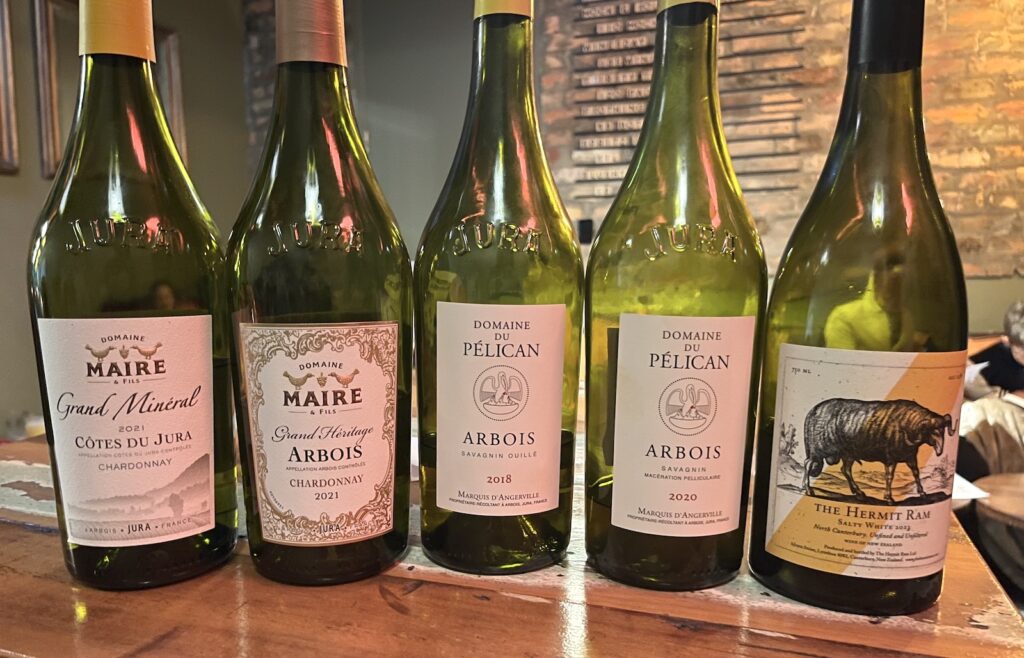
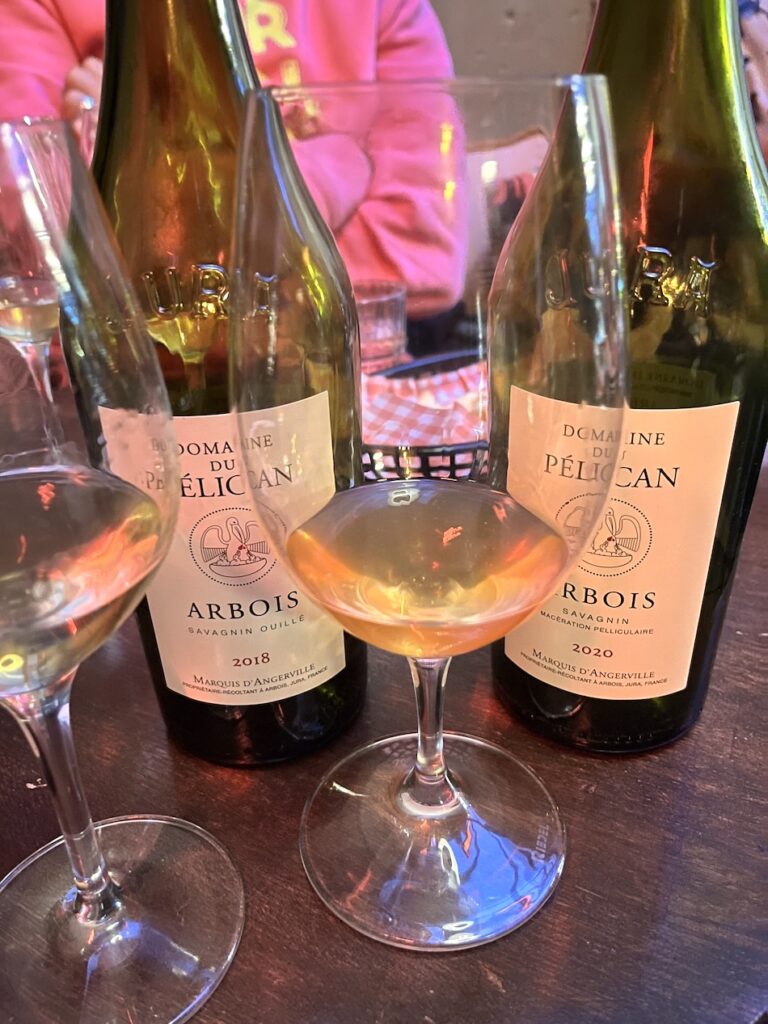
Fresh (ouillé) Savagnin is when the wine topped up during ageing to prevent oxidation (known as ouillé). These wines often resemble a cross between Chardonnay and Riesling, but with firmer acidity and a more savoury character.
Here you will get flavours and aromas of lemon, lime, green apple, pear, white flowers, herbs and a wet stone, saline minerality
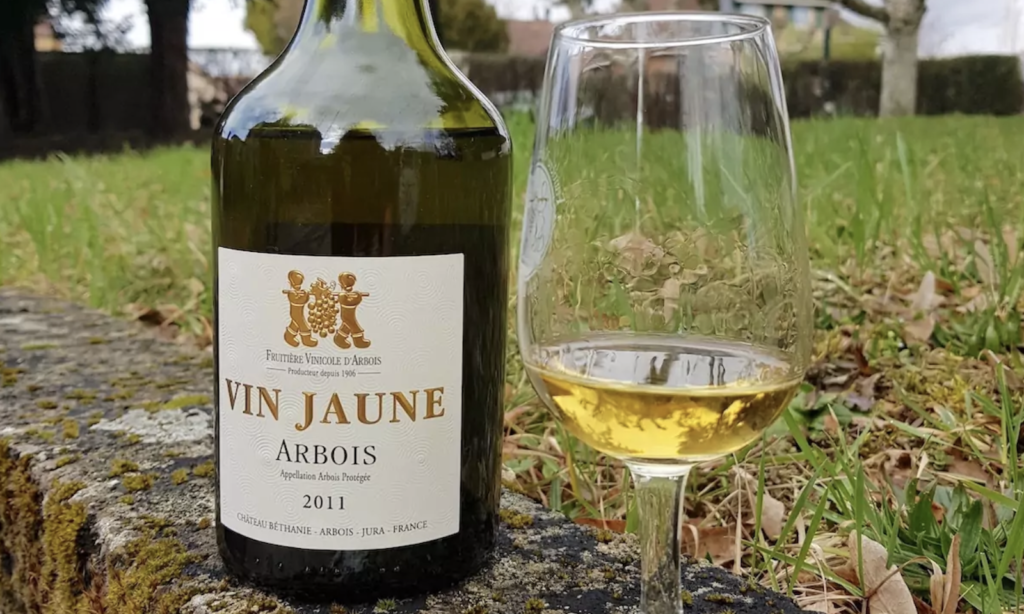
The Oxidative (Vin Jaune style) is arguably what made Savagnin famous. After years (a minimum of six years and three months) under a veil of yeast (sous voile), it develops extraordinary aromas of walnut, turmeric, saffron, dried citrus, mushroom, chamomile and sea salt. Few wines in the world taste anything like it. Is it the most unique white wine on Earth? Even the bottle is distinctive – the 620 mL ‘clavelin’. The result combines immense concentration with piercing acidity and can age for many decades.
Jura is considered to be ideal for this, but why?
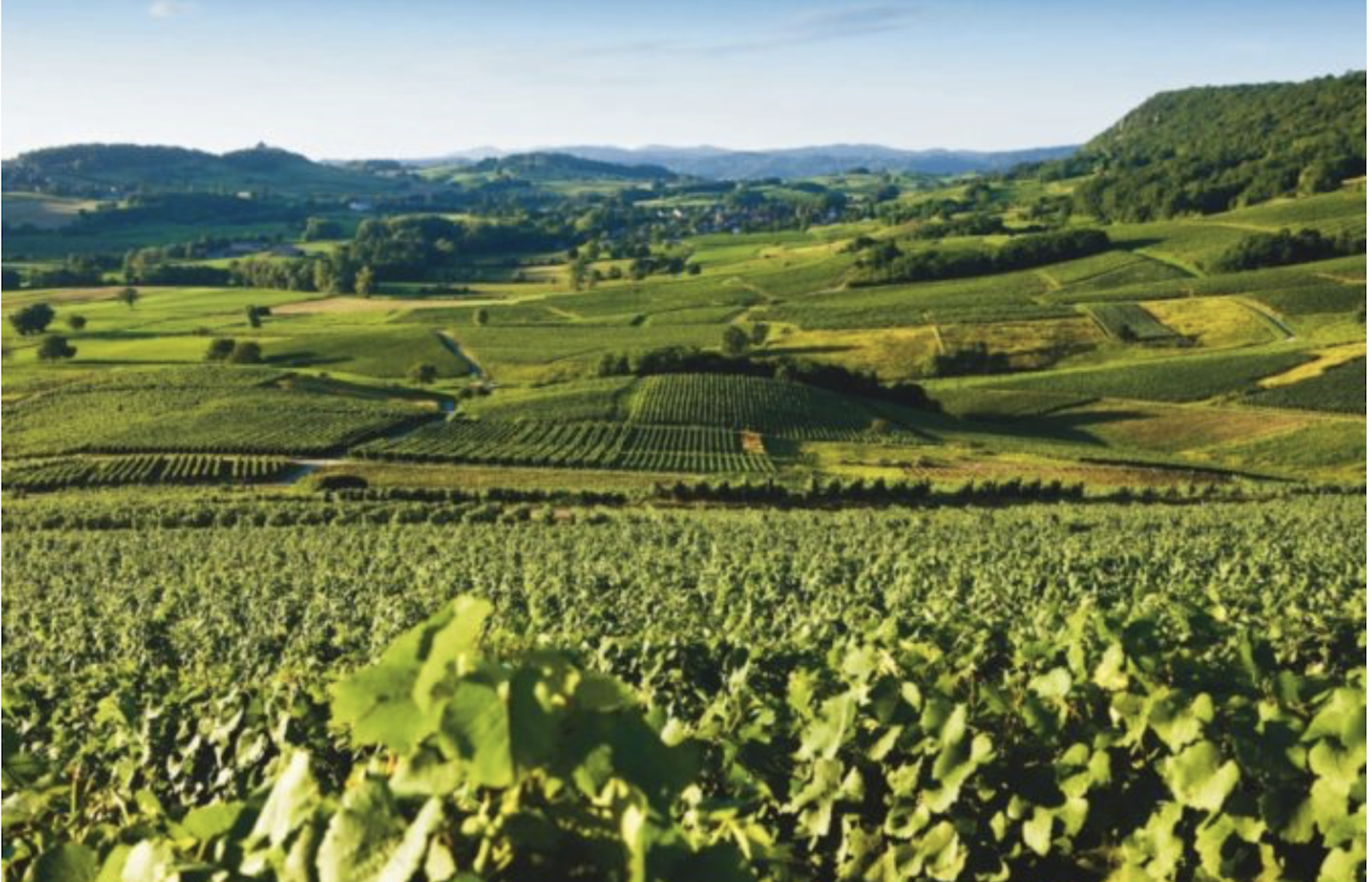
Well, the region provides a vital combination of limestone and marl soils along with a cool continental climate that has significant diurnal temperature variation. The famous blue and grey marl soils appear particularly well suited to Savagnin, giving wines of remarkable tension and longevity. The climate leads to long, slow ripening.
The benchmark producers are:
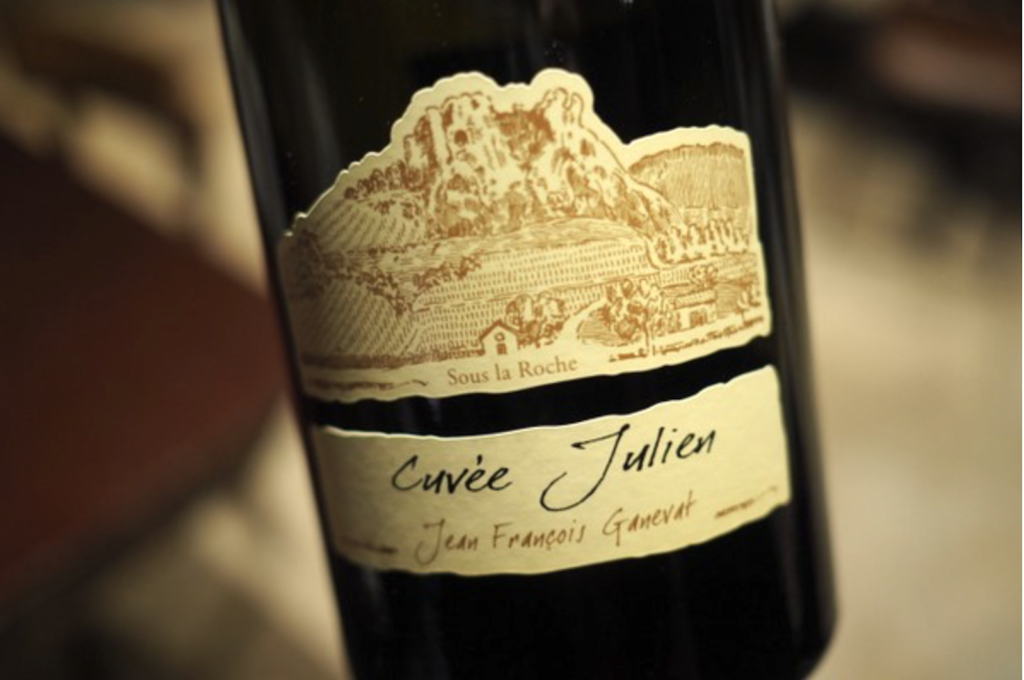
Domaine Jean François Ganevat. Many critics regard Ganevat as the greatest modern Jura producer. His Savagnins can be incredibly mineral, intensely concentrated and profoundly expressive of site. Some are aged ouillé, others under voile.
Domaine Jacques Puffeney. A legendary traditional producer whose wines helped define classic Jura style.
Domaine Macle. Perhaps the benchmark for Château-Chalon which produces magnificent Vin Jaune capable of ageing for fifty years or more.
Domaine André et Mireille Tissot. One of the pioneers of biodynamics in Jura. Produces numerous single-vineyard Savagnins that clearly express different marl and limestone soils.
Elsewhere in the world you will find producers treading their own path, using their terroir to reveal different nuances of the varietal.
In Switzerland Savagnin appears under different names. Most important are Heida and Païen. The most critically acclaimed examples come from the Valais, where steep Alpine vineyards and high elevations preserve acidity while achieving excellent ripeness. The wines are generally fresher than Jura examples.
Australia has unexpectedly become one of the most exciting places for Savagnin. A famous mix-up in the early 2000s saw vines imported as Albariño later identified as Savagnin. Rather than remove them, many producers embraced the variety.
You can’t really pinpoint one region or another for this, as good examples come from as diverse areas as Mornington Peninsula, Strathbogie Ranges, Tasmania and Yarra Valley. The best Australian examples are made in the fresh ouillé style, highlighting citrus, texture and mineral freshness.
Notable producers include Municipal, Borachio, Soumah, Crittenden and Kangarilla.
In Germany Savagnin survives in very small quantities as Weißer Traminer. These wines tend to be aromatic and are relatively uncommon.
Savagnin is not commercially grown in New Zealand. Strict biosecurity laws have generally kept this French/Jura variety out of the country. If you see a bottle of Savagnin available in New Zealand, it is almost certainly an import from overseas.
The story of the grape in New Zealand tends to turn to one infamous incident. During a trip to South Australia in 2019, pioneering vigneron James Millton took the two cuttings from a Savagnin grapevine from his daughter’s vineyard in the Adelaide Hills and flew with them back to Auckland.
On the way he completed the passenger arrival card declaration, and indicated that he was not bringing in any plants or plant product. MPI said he knew this was false because he had the vine cuttings in his suitcase. He was found guilty of charges under the Biosecurity Act and ordered to pay a fine of $15,000 and sentenced to five months’ community detention.
If you wanted to organise your own tasting I’d recommend exploring Savagnin in this order:
- A fresh ouillé Savagnin from Tissot or Ganevat to understand the grape’s pure expression.
- A Savagnin aged sous voile to experience the influence of biological ageing.
- A mature Vin Jaune from Château-Chalon to see the grape at its most profound and age-worthy.
- A Swiss Heida to compare an Alpine interpretation.
- An Australian Savagnin from Beechworth or King Valley to see how the variety adapts to a different climate while retaining its distinctive texture and mineral profile.