Every now and then I dive into a topic not because I have to, but because I genuinely want to – and Cabernet Franc is one of those grapes that always pulls me back in.
This is one of the world’s great red grapes: quietly everywhere, often overlooked, but absolutely essential. It shows up as a solo act in some of my favourite bottles, and just as often plays a supporting role that makes blends come alive. Think of it as the friend who doesn’t always need the spotlight – but somehow improves every room they walk into.
Winemakers love Cabernet Franc for what it does on the nose. It’s lifted, aromatic, and unmistakable – often with this smoky, savoury edge people describe as cigar box, crushed herbs, or what some insiders casually call the “Franc funk.” It’s got attitude, but in a refined way.
Genetically, it’s basically wine royalty. It’s one of the parent grapes of Cabernet Sauvignon (cross it with Sauvignon Blanc and you get Cab Sauv), and it also plays a role in Merlot’s family tree. So when you’re drinking Bordeaux-style reds, you’re often tasting Cabernet Franc’s DNA whether you realise it or not.
Style-wise, it’s like Cabernet Sauvignon’s more agile, earlier-rising cousin. It ripens earlier, which makes it way more reliable in cooler climates – one of the reasons it’s planted so widely across Europe and beyond. In some vineyards, it’s even the “insurance policy” grape when Cabernet Sauvignon struggles to fully ripen.
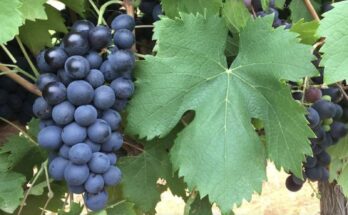
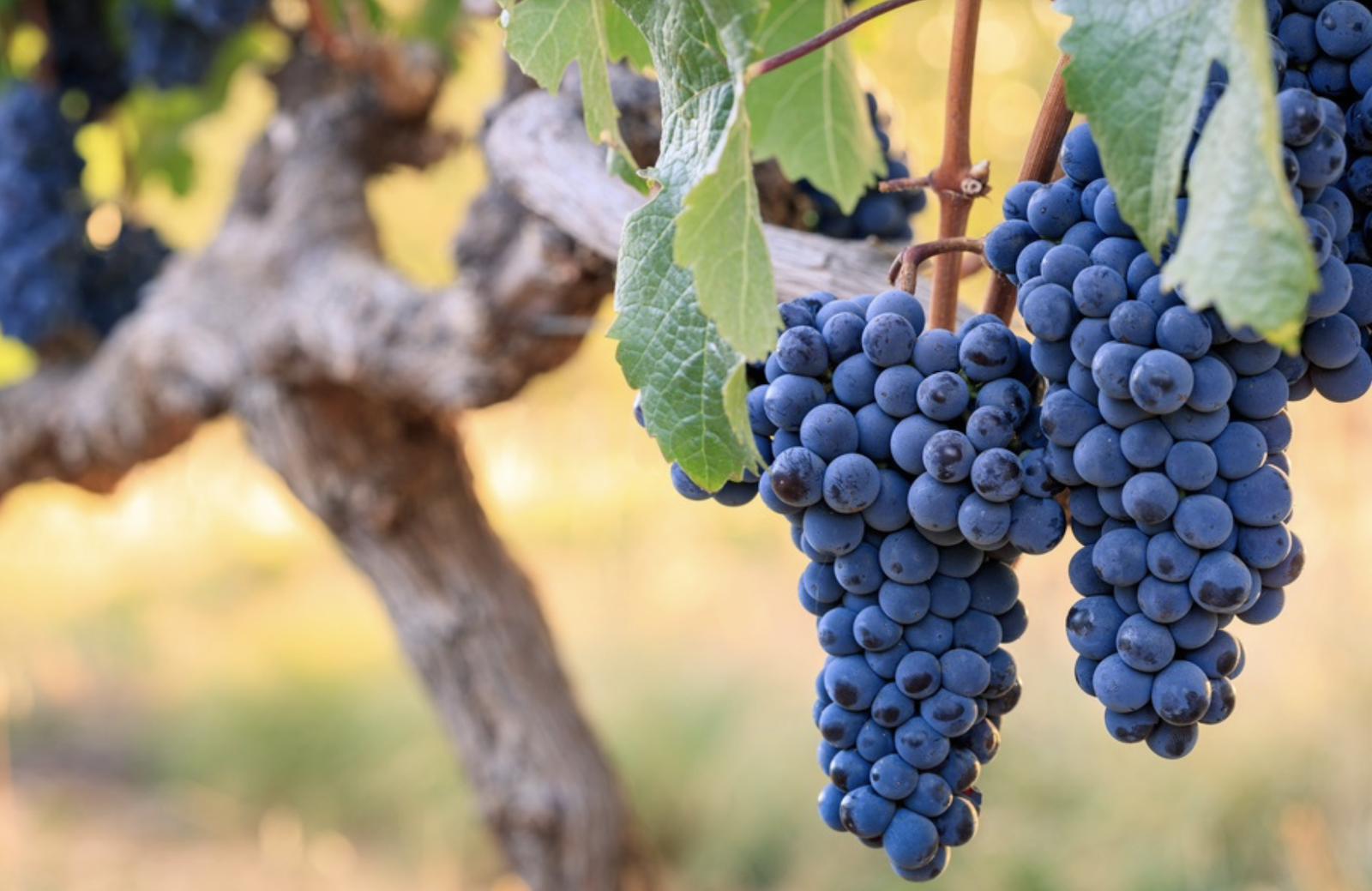
In the vineyard, it tends to produce compact bunches of small berries with relatively thin skins. That translates into wines that are usually medium-bodied rather than heavy, with bright natural acidity and moderate alcohol – so they stay fresh rather than overly dense or jammy.
A big part of its personality comes from compounds called methoxypyrazines, which give those signature green, herbal notes – think capsicum, crushed leaves, and that savoury edge you either fall for immediately or grow into over time. In cooler climates, those traits show up more clearly; in warmer regions, they soften into darker fruit, spice, and a more velvety texture.
At its best, Cabernet Franc sits right in that sweet spot between freshness and depth: aromatic, slightly wild, a little smoky, and quietly complex. It doesn’t try to be the loudest wine in the glass – but it often ends up being the most interesting.
I’ve also heard it said that the varietal is one of the best in terms of “ability to express terroir”. So where in the world does it do well?
France
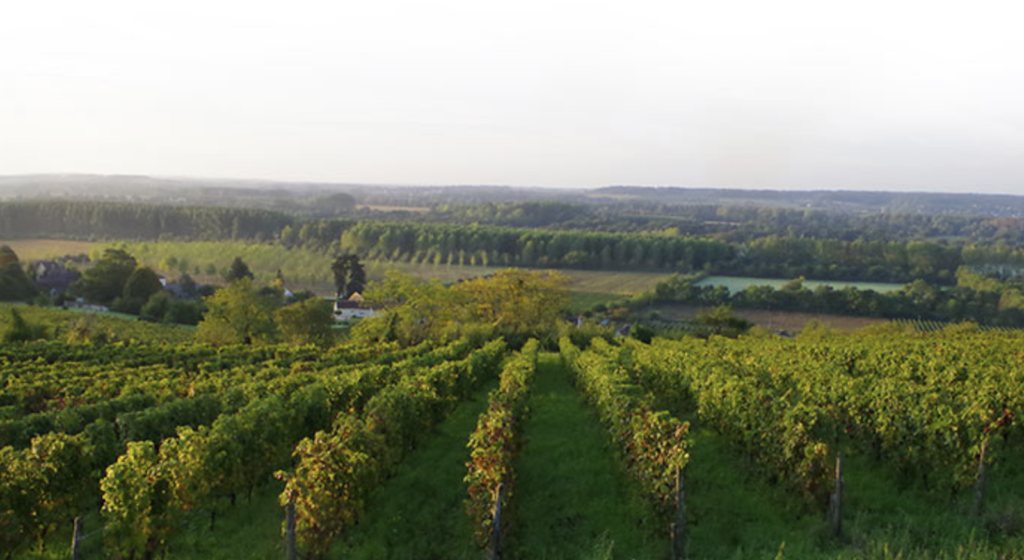
As is so often, we start in France – and for this grape, that means the Loire Valley – the spiritual home of Cabernet Franc.
The sub-regions of Chinon, Bourgueil, Saumur-Champigny are the heartland, making styles of wines that are medium-bodied, with fresh acidity, and quite herbal. Flavours of graphite, violets, capsicum (red and green) and raspberry. There can be a ‘leafyness’ or green astringency that many refer to as a fresh tartness. I’m all for that, in tiny amounts, where it adds complexity, but I can often find it too pronounced here.
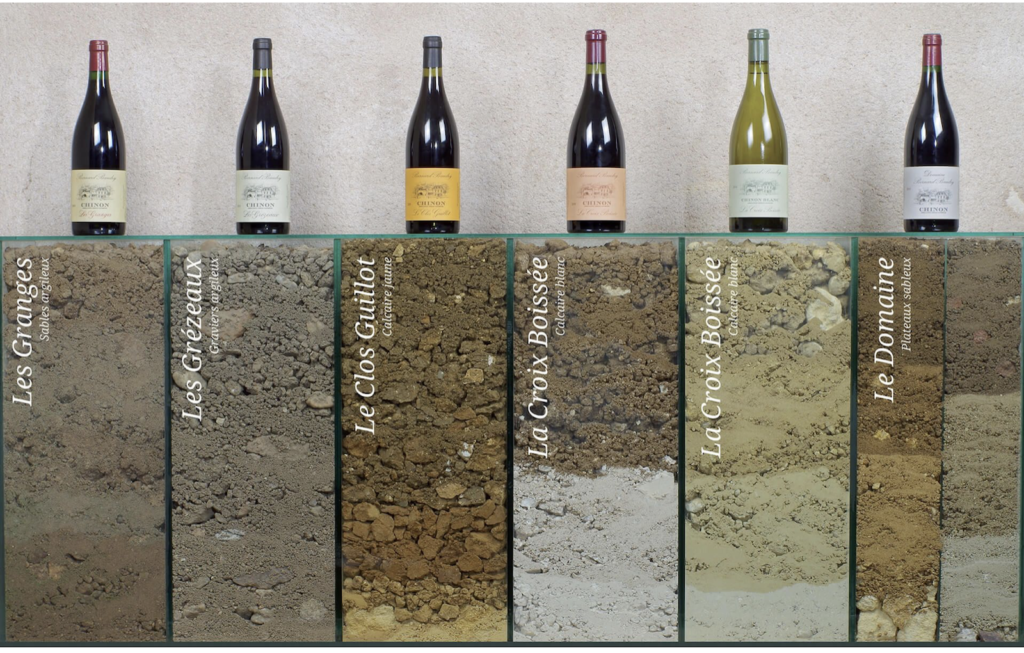
When it comes to producers, two names will likely dominate conversation – Domaine Bernard Baudry and Clos Rougeard. Domaine Bernard Baudry is often considered the reference point producer for Chinon. Precision, structure, incredible aging potential. “Les Grézeaux” and “Le Clos Guillot” are classics. Clos Rougeard is the cult icon. Extremely collectible and expensive now, but many consider it the pinnacle of Loire Cabernet Franc. “Le Bourg” especially has legendary status. Also look for Olga Raffault, Philippe Alliet and Domaine des Roches Neuves.
Let’s not forget Bordeaux though. The great Cabernet Franc–based Bordeaux wines come almost entirely from the Right Bank (St-Émilion & Pomerol), where the grape plays a major structural and aromatic role alongside Merlot.
Famous estates like Château Cheval Blanc rely heavily on Cabernet Franc. This legendary ‘Premier Grand Cru Classé A’ label is usually around 40–60% Cabernet Franc. Known for an intoxicating perfume in particular, the 2019 vintage scored 100 points. I consider this one of the greatest wines in the world, and for me, it is the icon of Cabernet Franc – at all! Other producers in the top tier of Bordeaux using Cabernet Franc are Château Ausone – also ‘Premier Grand Cru Classé A’, Château Lafleur and Château Figeac.
Is there anywhere else in Europe? Well, some critical thought is that Italy probably makes the most serious Cabernet Franc outside France. In Friuli you get fresher, leafy, mineral styles; in Tuscany it often becomes richer and more Bordeaux-like – used in “Super Tuscan” blends.
But, for me, I’d look at Hungary. This is one of the hidden gems for Cabernet Franc. A relatively warm climate helps produce wines with ripe tannins, dark fruit, but plenty of energy and acidity. Hungary has even marketed the Villány region as “Cabernet Franc’s new home”. The key thing is the best examples still have that unmistakable Cabernet Franc bouquet. Benchmark producers are: Gere Attila Winery, Bock Winery and Vylyan Pincészet.
Here in New Zealand, the grape is only grown in small amounts, with very little in the South Island. Perhaps the key region is Hawke’s Bay, but I’ve had excellent wines from elsewhere – including up to Northland. True, it is often blended as part of Bordeaux-style reds, but there are some fine examples of producers daring to bottle it individually. Structured, floral, with fine tannins and notes of violet, plum and olive. Look for a lovely mossy, balsamic character too.
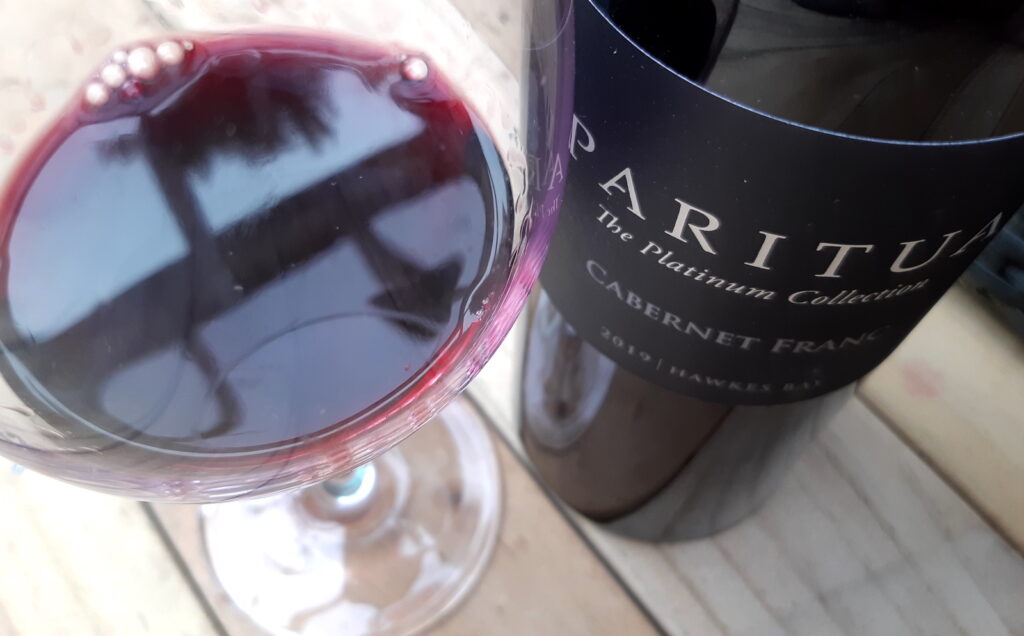
I’ve often found that when tasting at Clearview Estate, the Cabernet Franc is their best red. Smith & Sheth, Askerne, Paritua, and Beach House are all making fine examples. The last time we did an “Other Reds’ Top 10 Tasting at WineFolio, our winner was Paritua Platinum Cabernet Franc 2019, with a Northland Cabernet Franc from Dancing Petrel in second place.
Smaller producers have often excelled with Cabernet Franc too. Amoise, Supernatural, Three Fates and Askerne come to mind. An interesting side-note on New Zealand’s stock of Cabernet Franc vines is that one of our very best producers – Puriri Hills in Clevedon, thought they had bought and planted Cabernet Franc, only to discover that (at least some of the stock) it was actually Carménère. They wonder who else in the country had the same thing happen to them?
In the USA there are two stand-out areas for Cabernet Franc – Napa Valley where it is ripe, plush, and often blended… but increasingly bottled solo. Finger Lakes makes some of the best ‘cool-climate expressions’ outside France – bright, peppery, and quite refined. The grape is also strong in Washington State. Lang & Reed is a boutique wine producer based in California’s Napa Valley, known for championing less-glamorous grape varieties, especially Cabernet Franc. They have been earning consistent praise from critics for clarity and precision of style.
In Canada the Niagara Peninsula has excellent cool-climate Cabernet Franc, with vibrant acidity, red fruits and spice. Since 2000, Stratus Vineyards in Niagara-on-the-Lake, Canada, has become known for its commitment to sustainability and high-quality, small-batch wines.
South Africa is often a country that flies under the radar with its balance of heritage Estates and modern winemaking, but is worth looking at when it comes to the grapes I feature in this series.
Sitting somewhere between the Loire and Napa is character, the grape is used in both blends and in single varietal wines. In Stellenbosch, Raats Family Wines champions the varietal, making wines with that all-important perfume and takes that herbal character of it in the specific direction of ‘Cape fynbos’. De Trafford, Anthonij Rupert Wines and Zorgvliet are other names that crop up when looking at critics favourites from South Africa.
In South America, Argentina makes darker, fuller-bodied styles with less herbaceousness – especially in the powerhouse region of Mendoza. Chile also does a nice line – but with the most traditional herbal and mineral notes intact. They are both are gaining recognition for high-quality, modern ‘New world’ styles.