If you’ve ever clinked glasses at brunch or popped a bottle for a chill night in, chances are you’ve enjoyed Prosecco – the light, crisp, budget-friendly, sparkling wine that’s become a go-to for millions of us. But have you ever wondered what’s behind those bubbles?
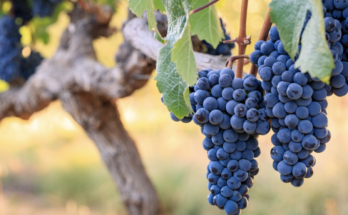
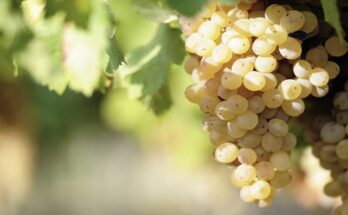
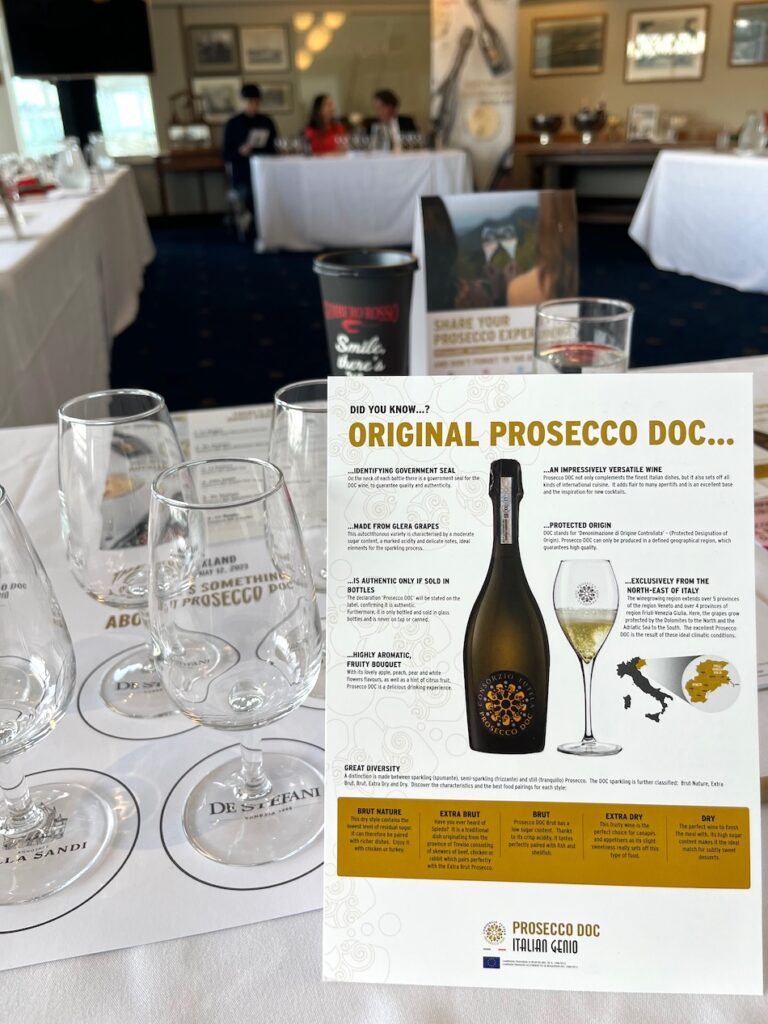
Meet Glera – the grape responsible for the magic in your glass. Glera is the variety used to make Prosecco, Italy’s beloved white sparkling wine. What we know as ‘Prosecco’ is named after a tiny village near Trieste and it’s grown mainly in the scenic regions of Veneto and Friuli Venezia Giulia in northern Italy. Since 2009 DOC and DOCG wine designations have been introduced, so that only wines made in that specific region can be labelled as Prosecco – like the rules around what is ‘Champagne’.
But Prosecco isn’t just an Italian thing anymore. Over in Australia, the King Valley has become a hotspot for the style – so much so that they literally have a “Prosecco Road.” Visitors flock there to sip, swirl, and soak up vineyard vibes. The pioneer of Australian Prosecco is Otto Dal Zotto. He moved to Australia from Valdobbiadene – one of the famous towns in the Prosecco region – and was the first to plant Glera grapes commercially Down Under in 1999. “When we started there was nothing. Nobody even knew what Prosecco was,” Otto says. Fast forward to now: the Aussie Prosecco industry is worth a cool $200 million.
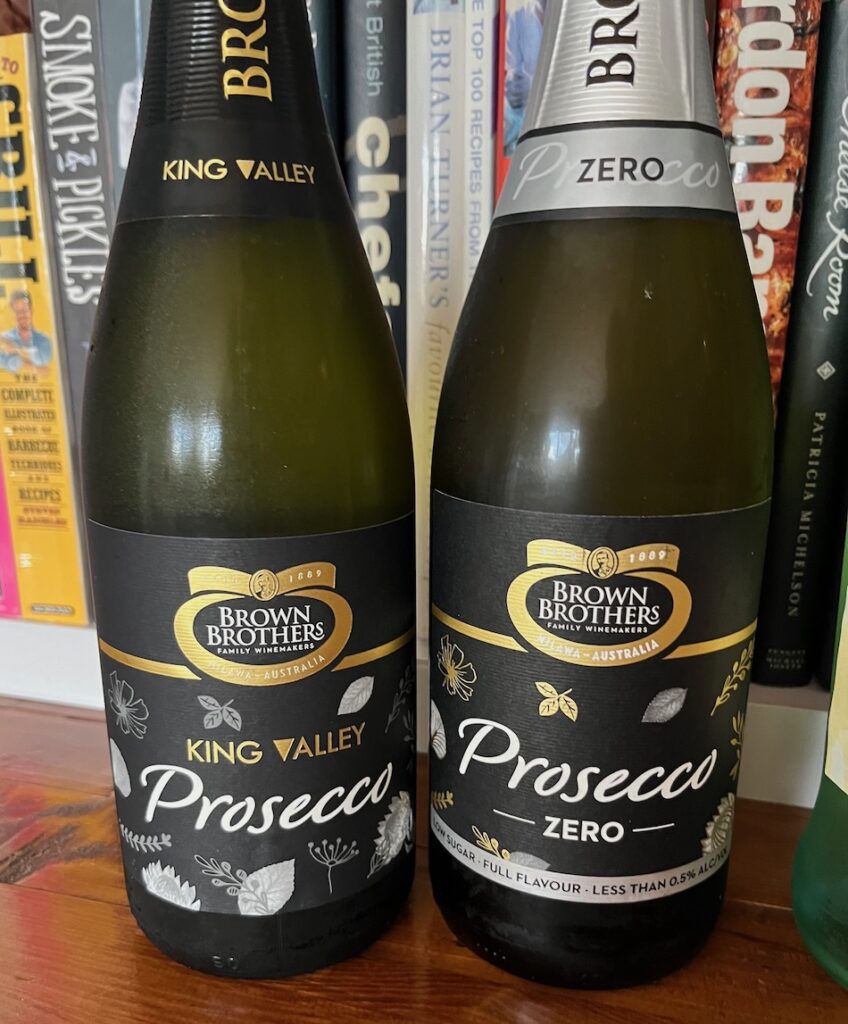
But now there’s a problem: Australia might soon be banned from using the name “Prosecco.” The European Union wanting to protect “Prosecco” as a geographical indication is a big deal for Aussie winemakers who’ve built their businesses around it. The drama started in 2009, when Italy officially renamed the grape Glera and reserved “Prosecco” as the wine’s name – and more importantly, a protected region. Before that, “Prosecco” referred to both the grape and the wine.
Historically, Prosecco was a still wine. In the 1800s, Italian winemakers started experimenting with bubbles using traditional methods. But in the 1950s, the Charmat method (aka Martinotti method) took over – a quicker, more affordable way of making sparkling wine by fermenting it in stainless steel tanks instead of bottles. That’s part of why Prosecco is way more accessible than Champagne – production takes as little as 30 days and practically ‘made to order’. Most Prosecco is made as Spumante sparkling wine or Frizzante (semi-sparkling). A small proportion is made as Tranquillo (still wine), with no bubbles.
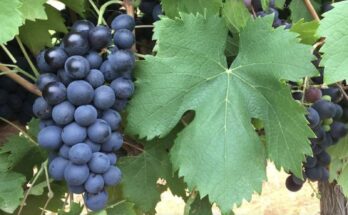
Fun facts for us geeks: Prosecco made under the DOC label has to follow strict rules — including alcohol content (between 10.5% and 11.5%) and grape blends (mostly Glera, with up to 15% of other approved varieties). And yes, there’s even rosé Prosecco now, officially allowed since 2020. It blends Glera with 10–15% Pinot Noir to give it that pink pop.
Prosecco was increasingly popular across the globe from around 2000 – and the brand Mionetto is now the largest importer of Prosecco into the USA. However, other areas have caught up – by 2012, the UK had become the biggest export market for Prosecco, with the poms consuming a quarter of all Italian production. Over 600 million bottles were produced in 2018, with popularity (helped by the new rosé style) showing no sign of slowing.
So, what is Prosecco like? Here is a wine with a unique background, and, to my mind, not trying to be Champagne. I regard the wines at the top end of the scale as very complex, nuanced expressions that are certainly fine wines. But Prosecco – for the most part – is a crisp, fresh and uncomplicated wine. Lighter in body, with a lovely aromatic nose that just does something different to a Champagne-style of sparkling wine. The fruit notes are often shared – with white peach, pear, apple, acacia blossom, citrus, almond all appearing; but Prosecco has a primary, upfront appeal and simplicity with a vibe that’s easy, fun, and perfect for casual sipping.
Italy:
Not all Prosecco is created equal – the very best wines come from a few specific DOCG zones – look for these if you’re after the highest quality.
• Valdobbiadene Superiore di Cartizze DOCG is the top of the pyramid.
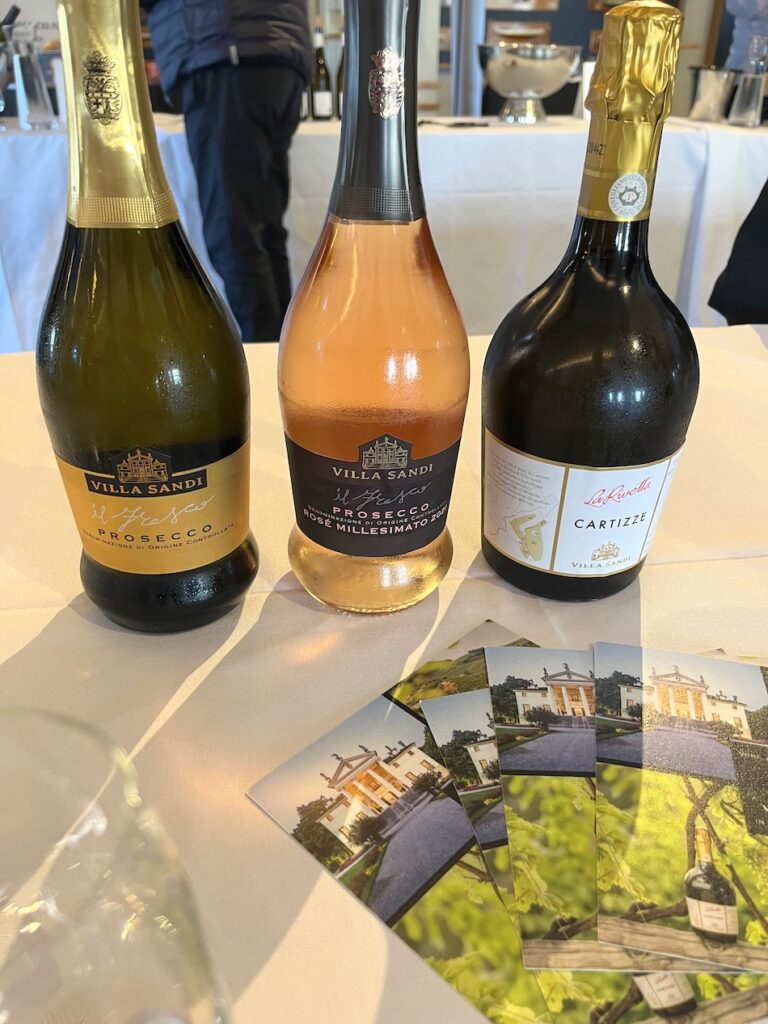
The “Grand Cru“ of Prosecco. It is a very small area (only around 107 hectares) where the land is owned by about 140 different growers, often passing their plots down through generations. Steep, sun-drenched slopes with excellent drainage – hand-harvesting is required due to the steep terrain. This is a richer, more aromatic, and expressive style of Prosecco.
- Conegliano Valdobbiadene Prosecco Superiore DOCG
This is the top-quality designation for Prosecco. Located in the hills between Conegliano and Valdobbiadene in Veneto. These wines will show great finesse, complexity and balance. The prestigious subzone of Cartizze lies within this DOCG but is labeled separately because of its unique quality. - Asolo Prosecco Superiore DOCG
A smaller but high-quality area near the town of Asolo. Known for slightly fuller and drier, more serious styles. - Some of the very best quality producers (top level, expensive bottles) are hard to find in NZ but look for these labels: Bisol, Ruggeri, Villa Sandi, Adami, Nino Franco.
- Other very good producers (and easier to find) available locally: Santa Margherita, Tosti, Canti, Zonin, Quadri, Mionetto.
Australia:
Australia has emerged as a serious player in crafting Prosecco-style sparkling wines – particularly in cooler regions like Victoria’s King Valley. Whether they will be allowed to continue to call is Prosecco remains to be seen… A good ‘diurnal range’ in temperature – ie cool nights and warm days, preserve Glera’s delicate aromatics. Dal Zotto is the pioneer, but Brown Brothers have done much to develop the style, and have a big market share. There are over 100 labels now making Prosecco in Oz.
- Producers: Brown Brothers, Mada, Dal Zotto, Pizzini, Billy Button, Redbank, De Bortoli, Lerida Estate.

New Zealand:
There are only a handful of producers that we know of, making wines from Glera locally. Two are in Gisborne, and there’s a brand new label (just two vintages in) in Marlborough.
- Producers: TW (Tietjen Witters) and Spade Oak in Gisborne, and Balvonie in Marlborough.
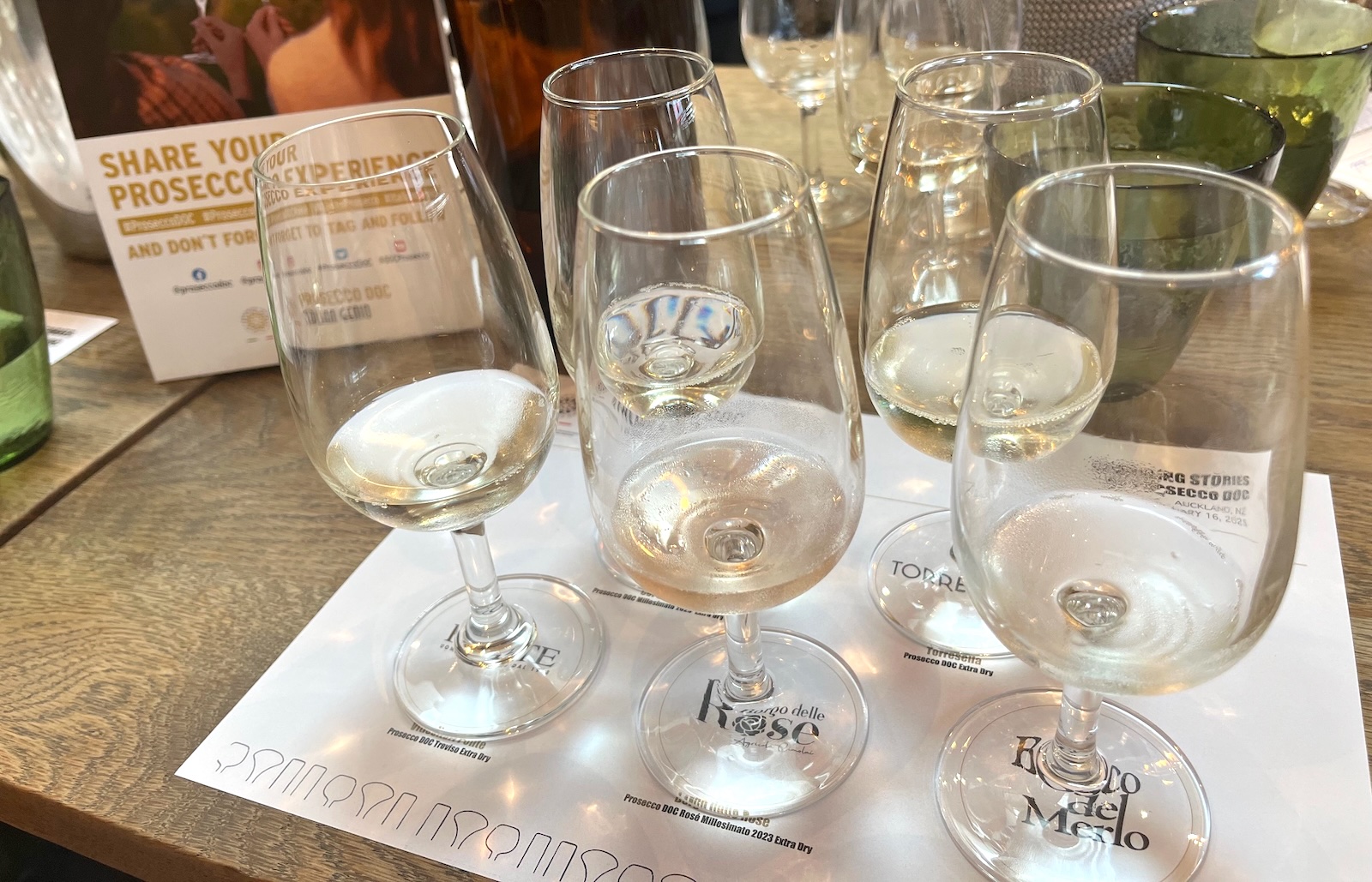
Below are just a few of the Proseccos that we’ve had the pleasure of trying in the last few months – either at Expos, tastings or just as samples. Some Italian, New Zealand and Aussie…
Mionetto Prosecco DOC Rosé
One of the original brands to pave the way for Prosecco around the world. A particular perfume – something old-fashioned, like pot-pourri, hay and macadamia nut. A very fine mousse of bubbles – spritzy and vibrant. Red liquorice, cherry, lemon zest and a crisp acidity. Finishes short but clean and refreshing.
Ruffino ‘Lumina’ Prosecco DOC
Made in the ‘Extra Dry’ style, with a nibble of fruit sweetness to offset the crispness. The bouquet is quite floral, with citrus and jasmine. Apple, pear and stonefruit mingle through the palate, driven by a tight froth of bubbles.
De Bortolli King Valley Prosecco
Another one from one of the largest Prosecco-producing areas in Oz – the King Valley. A winner of many awards. The nose shows a distinctive floral character of lemon blossom and jasmine. A nudge of sweetness on the palate, and something a little different here. Bright, peppery salinity and as well as lemon-lime and green apple there is a ripe softness to the texture.
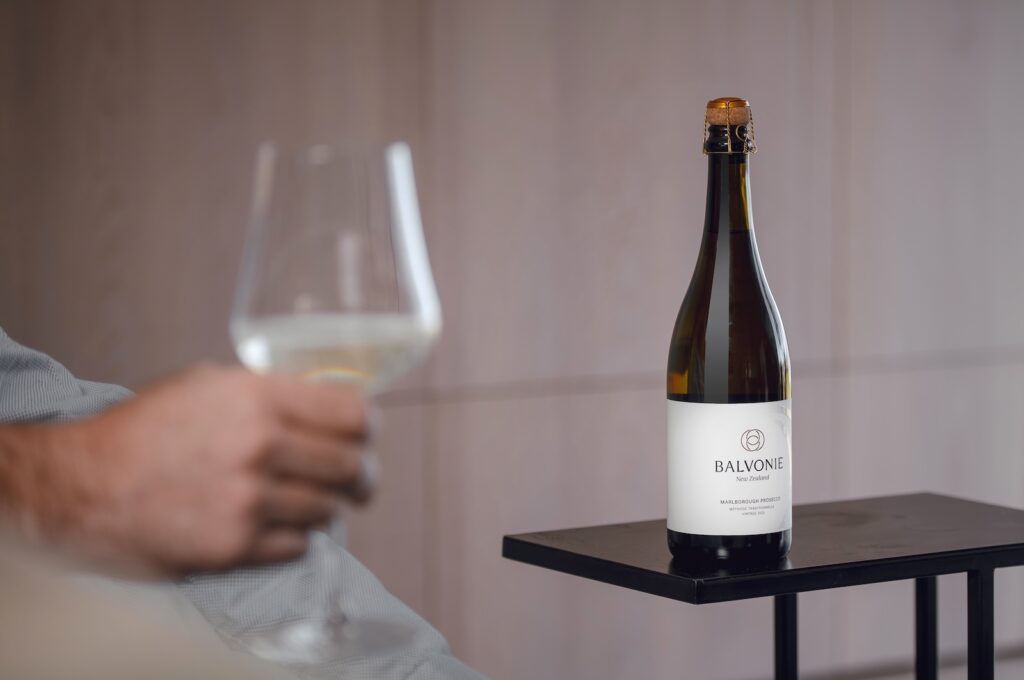
Balvonie Marlborough Prosecco Méthode Traditionnelle 2023
A Prosecco from Marlborough in New Zealand using the Méthode Traditionnelle. A very pale steel-green colour in the glass, and a frisson to the fine mousse of lively bubbles. The bouquet is fresh and zesty, with nashi pear, nougat, green apple and toasted almond. Brimming with energy – a nudge of sweetness on the palate puts it into the border of ‘Extra Dry’ and ‘Brut’ in style.
Santa Margherita Valdobbiadene Prosecco Superiore DOCG
A super-bright, light and lifted wine. A pure blast of granny smith and white peach with more exotic flavours of lychee and lemongrass. Tight bubbles, with a mineral acidity. Dry but with a tang of fruitiness. Elegant, light-boned and subtle, with a juicy, persistent finish.
Brown Brothers’ Prosecco Zero
This is the number one Australian Prosecco brand in the New Zealand market – the grapes for the wine are grown in Brown Brothers’ Banksdale vineyard in the cool climate of the King Valley. Plenty of juicy pear and apple notes – although it is quite lightweight, without much depth and body. Zero alcohol wines certainly have their place – this one works for non-drinkers as an aperitif.