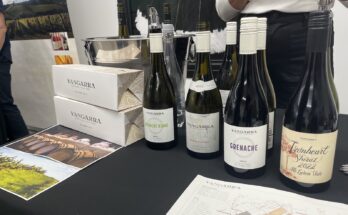
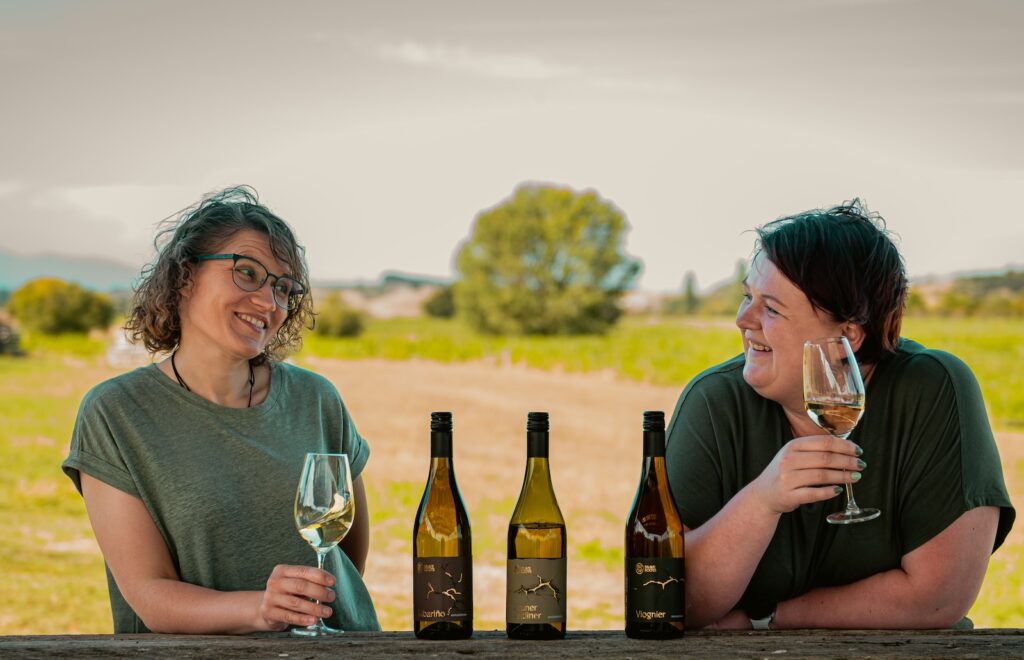
A colleague in the industry (thanks Maxime) put me onto this new label from Marlborough that hadn’t crossed my path before. As busy people, it wasn’t possible to get to meet them in person, but I sent them over a few questions – and I have to say, it is probably one of the most thoughtful and downright interesting set of responses I’ve had in many, many years of journalism.
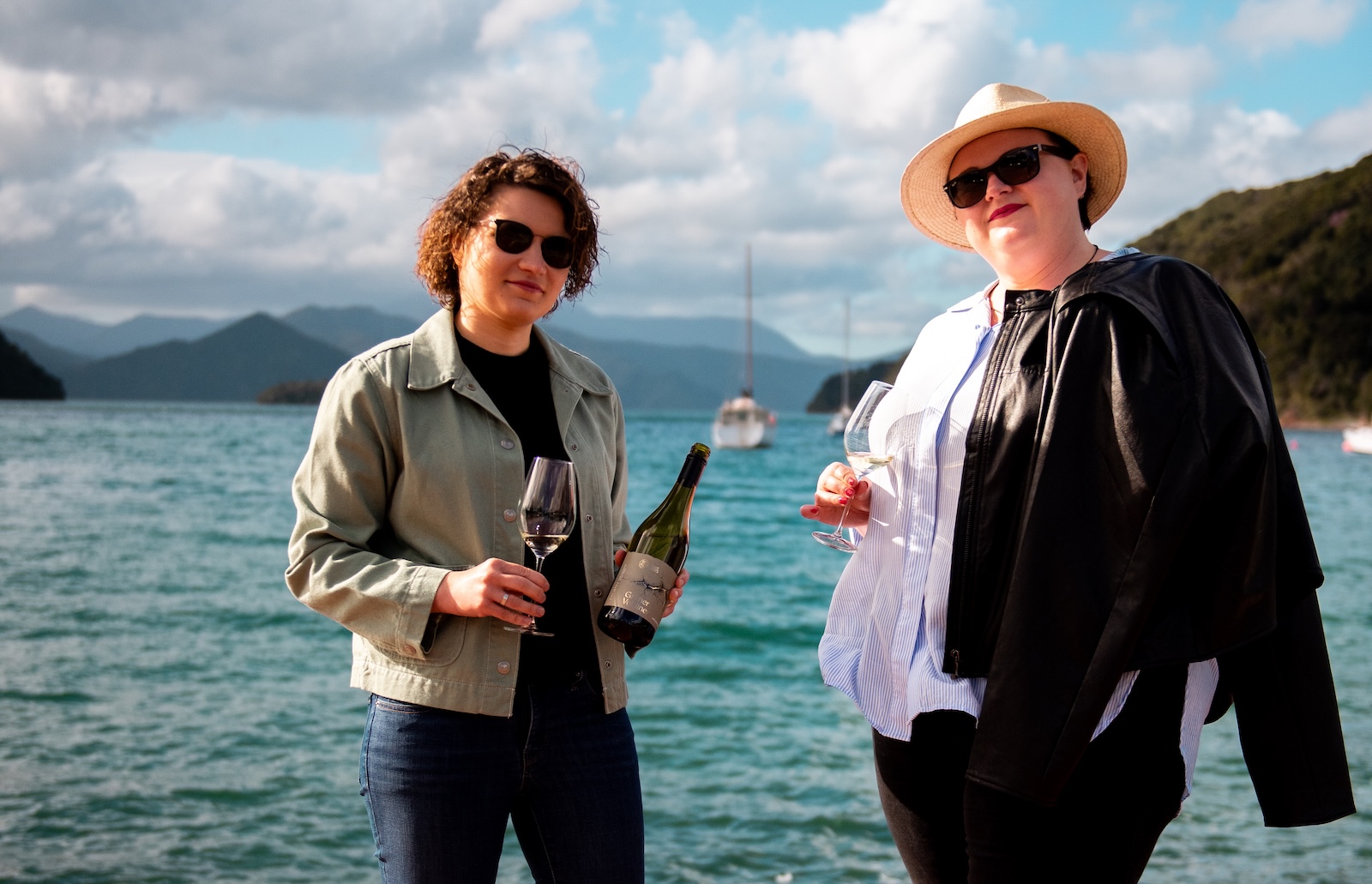
I’ll be opening a couple of bottles of their wine to see what the product is like, and add the reviews to the site, so keep an eye out for that. But, for now – let’s get acquainted with Masha and Alina from Brave Roots…
What’s the background to the Brave Roots label, and what was your personal path to here?
Masha: I decided I wanted to become a winemaker when I was 16. I started with a Bachelor’s degree in Food Science and continued with a Master’s in Fermentation Technologies and Winemaking. I then got an assistant winemaker position, followed by a winemaker position, at the best boutique winery in Ukraine, where I am originally from. Ever since, I’ve been making wine. No regrets. I did some flying winemaking in the USA, France and Uzbekistan, and settled in New Zealand six years ago. I was frustrated that Marlborough was missing out on alternative white varieties, so Alina and I started Brave Roots around three years ago. We are based in Marlborough, but we don’t make Sauvignon Blanc. We believe this is brave.
Alina: For the past 18 years, my life has revolved entirely around wine. My path started with academic study and teaching oenology, followed by tasting everything I could get my hands on, travelling across classic wine regions, and working vintages in different countries, climates, and styles. Along the way, I consulted internationally and completed my PhD studies and WSET Diploma, blending deep technical science with global perspective.
Throughout all of that, only one puzzle piece was missing: crafting wine under my own brand. It was bound to happen sooner or later, and launching Brave Roots with the stellar 2024 vintage felt like everything finally falling into place.
What is it about wines from Marlborough that defines them – on a local and a global stage?
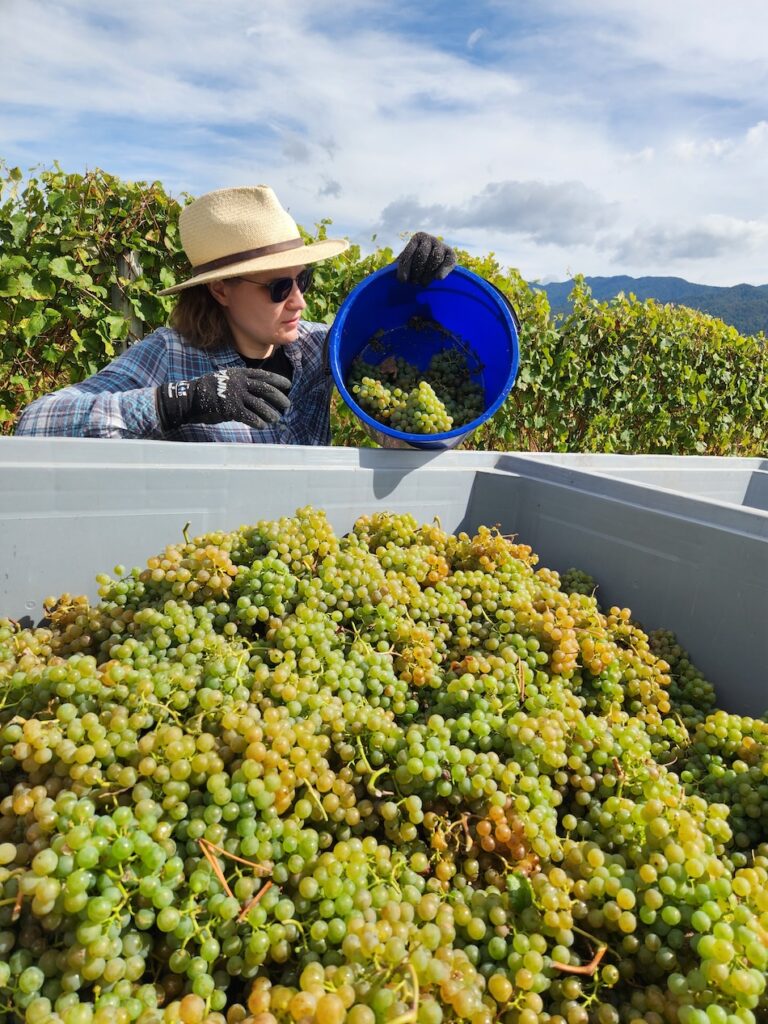
Masha: Marlborough has a unique cool climate that gives fresh but well-defined wines. For me, it is a perfect place for zesty whites. Of course, it is the Sauvignon Blanc capital of the world (I’m sorry, Bordeaux and Sancerre, but it’s true). But other white varieties benefit from the cool nights and prolonged ripening season as well.
Alina: Building on that, on the global stage, Marlborough carries New Zealand’s reputation for purity, sustainability, and uncompromising quality. The world already trusts our region to deliver pristine, premium wines.
That global recognition gives us an incredible foundation, and as winemakers, our responsibility is to uphold and elevate that standard – proving the depth, versatility, and sheer quality of what Marlborough can produce.
With a few new, smaller labels popping up across New Zealand – do you feel there’s change (back) towards more diversity?
Masha: In a way. I think the diversity back in the day was a search for ‘the star’, a search for a variety that matched the climate perfectly and could become a signature variety. The star was born, and the data on what worked and what didn’t was collected. So now, the industry can just make what gives good results without the pressure to put New Zealand on the Wine Atlas by Hugh Johnson. It is already there. Now we can relax and make different wines without the pressure to be on the eye-level shelf in every chain supermarket in the UK.
Alina: You want to be optimistic, though vineyard statistics show that Sauvignon Blanc is still the undisputed powerhouse of New Zealand wine – and for good reason. Realistically, diversification is happening, but it’s a gradual, nuanced shift.
In the three vintages we’ve made with Brave Roots, we’ve actually lost three grower blocks to vine pulls: one was replanted to Sauvignon Blanc, one became a solar farm, and the third was replanted with an even more unusual variety. So, there is genuine curiosity and change happening at the grassroots level, even if growers aren’t rushing to replace proven commercial staples overnight. It’s an evolving landscape, and every alternative block that stays in the ground helps expand Marlborough’s horizons.
How do you approach selling your brand (and wine) as a new label – how will you get people to try a new Marlborough wine?
We make wine meant to be consumed with food and/or conversation. They are textural, structural, and full of character. Our wine is all about hedonism and connection, sharing with significant people. Naturally, we focus on distributing our wines through wine bars, restaurants, and gastropubs. Those places are made for people to discover something new. Especially from Marlborough. Especially beyond Sauvignon Blanc.
Can you tell me a bit about your winemaking style?
Let’s say it’s an Old World approach with respect to the local terroir. At Brave Roots, we make textural, structural wines that show what the given varieties can deliver in Marlborough’s climate.
First of all, we believe that 95% of wine quality comes from the fruit. So, picking decisions are very important. For our first vintage of Viognier, we were worried about finding the right balance between acidity and aroma. We wanted it full-bodied but fresh, not oily or flabby. If we had waited too long, the acidity would have dropped too much; if we had picked too early, the acidity would have been good, but the aromas would not have reached full ripeness. So, we did two passes. First, we picked for the acidity. In, I believe, 10 days, we came back and harvested the ripe fruit for its juicy peach and tropical flavours.
Second of all, in seasoned oak we trust. All of our wines have been fermented in barrels, either fully or partially. We keep the wines on fine lees and stir them with different frequencies. This gives them that nice mouthfeel.
We don’t like to fine our wines, but we filter them, as both of us prefer shiny wines to cloudy ones.
What is it about wine that brings you the most joy?
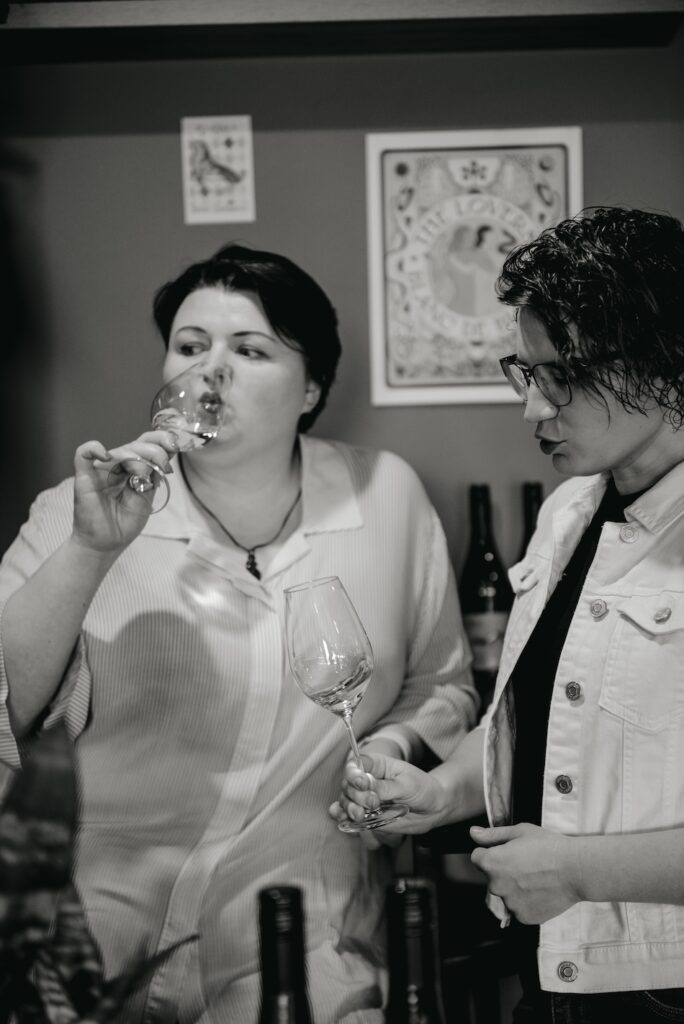
The most joy comes from the moment a wine stops being something you are making and becomes something people are sharing. Seeing it open up at a table, with food, laughter, and conversation, is what it’s all about for us.
Is there a moment in the winemaking year where you just ‘get a feeling’ for what’s going on / going to happen?
Yes – it usually happens around flowering and again at véraison. You start to sense the season’s personality. It’s not scientific, but you can feel whether it’s going to be a fast, generous year or a slow, tense one.
Can you tell me a bit more about the vineyards you are using? Soil, clones, etc?
We work with select vineyard sites across Marlborough that give us both aromatic intensity and natural structure. We source our current vintages of Albariño and Viognier from the Awatere Valley, where the vines are literally growing on the coast. This oceanic influence adds minerality and saltiness to the wines.
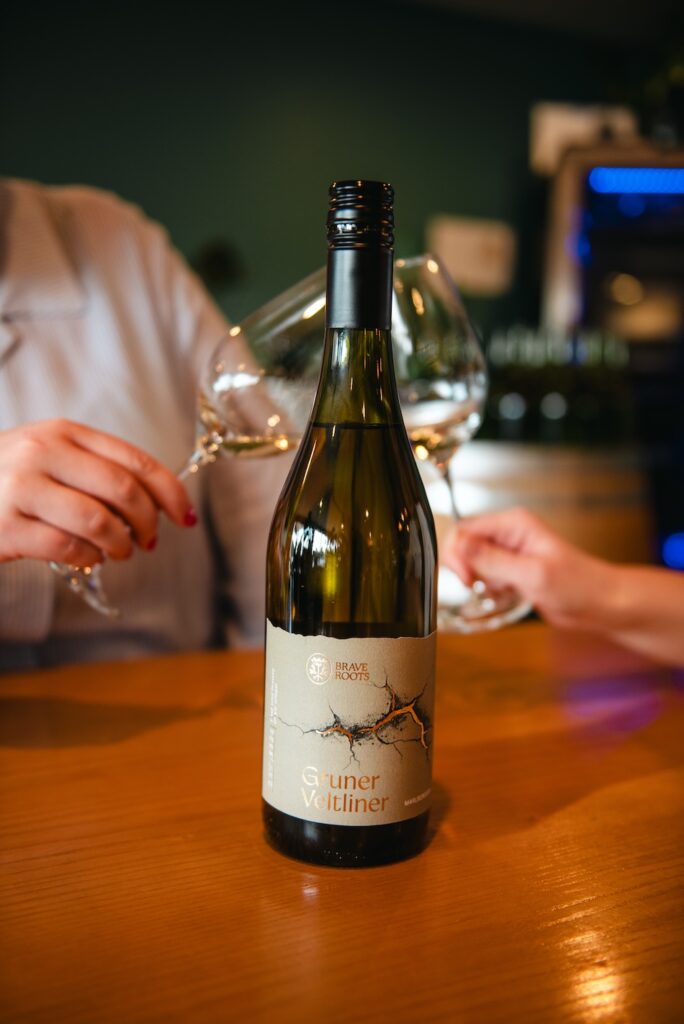
Our Grüner Veltliner comes from Brancott Road. The soils here are heavier, with higher clay content similar to the soils in some regions of Austria, where the variety originates.
Clone selection is extremely limited. These varieties are not grown in huge volumes. A true story: a grower offered to plant more Albariño for us. The nursery offered two clones – 1 and 2 – and basically no information on how to tell them apart.
If you plan to make other wines, what would they be?
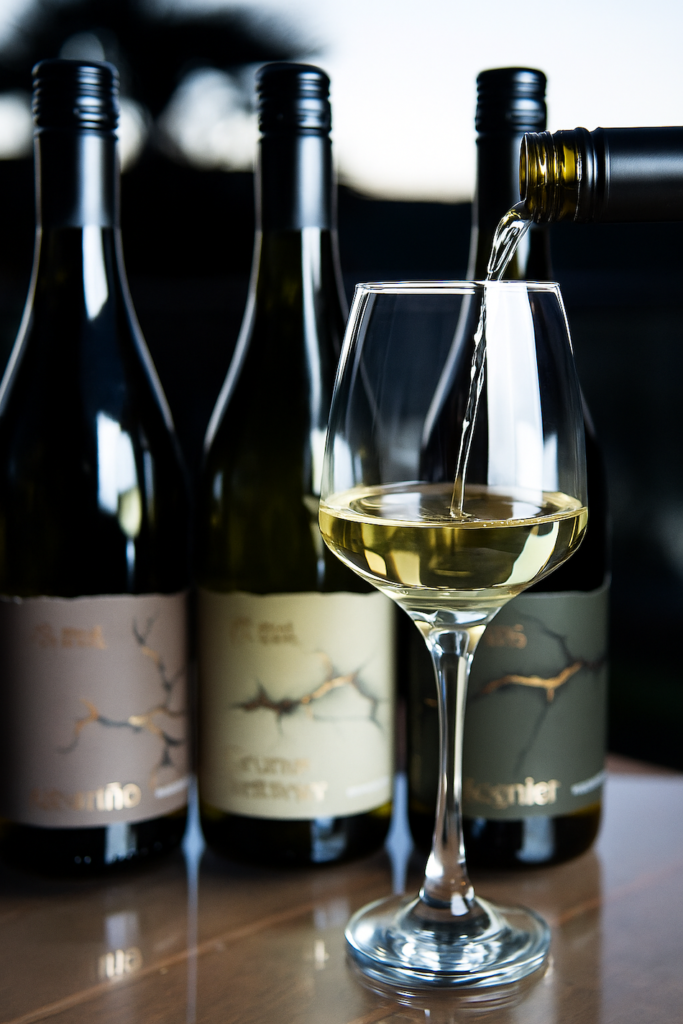
We are always curious. Right now, we are focused on aromatic whites. Our current offering is Grüner Veltliner, Albariño, and Viognier. The next one is Chenin Blanc – it is already in barrels, just needing a bit more time before it is ready to be bottled.
We would love to add another white to the line-up, a bit more ‘orthodox’ – Pinot Gris or Chardonnay. And maybe an oak-fermented, age-worthy rosé.
The guiding principle would always be texture, structure, freshness, and drinkability.
Where do you make your wines?
Another producer with a very soft spot for alternative varieties lets us crush and ferment our wines at their cellar. The Forrest family has basically adopted us.
What do you think are any upcoming trends?
We see a very healthy trend: people are drinking less, but better. It might not be the best trend for the industry in terms of volume, but it is a good one for consumers. People are becoming more curious, more quality-focused, and more willing to explore varieties and styles they may not have heard of before.
In what ways do you think the NZ wine industry might be – or is being – affected by Climate Change?
We might not have 30 years of New Zealand harvests behind us, but the shift in climate patterns is obvious. Vintage timing is less predictable, rainfall is harder to forecast, and producers have to be far more agile than ever before. With that level of unpredictability, it simply isn’t wise to put all our eggs in one basket. Sauvignon Blanc is our flagship, but diversifying our vineyards with alternative, resilient varieties is essential insurance for the future of New Zealand wine.
What are your favourite wines from other people/places, and do you have any stories to tell about discovering those?
Masha: I love traditional method sparkling wine. As a young and promising winemaking student, I thought I would spend my whole life making it. And I don’t. Better. Now I can focus on drinking it.
One of the wonderful things about working vintages in different countries is discovering wines in the places where they belong. Drinking Condrieu in Condrieu, exploring old Rhône varieties in France, drinking famous Napa wines from the barrels, or discovering wines that local people have loved for generations in Uzbekistan – those experiences stay with you. Wine is always more than what is in the glass; it is place, people, and stories.
Alina: My absolute favourite wine memories come from the unexpected. Early on, I travelled to the Istrian Peninsula in Croatia with zero expectations, only to discover a vibrant wine landscape: tasting local Malvazija alongside olive oil gelato, followed by a mind-bending amphora-fermented sparkling from an iconic producer Tomac. It completely reshaped how I saw wine.
That sparked a lifelong habit of seeking out hidden wine cultures. I visited the stunning Elesko estate in Slovakia to drink Blaufränkisch over wild boar ragù, and spent time in Moravia after a Czech winemaker I worked harvest with in Marlborough invited me and Masha over. We wandered from underground cellar to cellar, sampling directly from barrel and tank before washing it down with local pilsner at night. He later visited us in Ukraine, where we gave him the exact same cellar-hopping marathon. Wine is at its best when it pulls you off the well-trodden path.
Plans for the future?
Masha: Make the most interesting wine in Marlborough, share it with good people, and maybe catch some sleep.
Alina: Grow thoughtfully. We want to experiment with more varieties and increase our volume slightly, but we’re not looking to become a massive commercial operation. There’s something special about staying in that intimate space where a rare batch is just 700 bottles. The goal is to protect that small-scale craft while producing just enough volume to share globally – without getting shut down by importers for being “too tiny to export.”
Who would you most like to share a glass of your wine with (and why)?
Masha: I’ve been asked this question many times, and every time the answer is different.
There was a professor at university. She was in her mid-seventies when I was a student: extremely brave, never married, travelled half the world, always dressed with impeccable taste, and truly loved wine and grape-based spirits.
She had a habit of locking herself in her office for lunch, with a glass (or two) of good wine, some food, and a couple of other professors or students. There were always great stories about winemaking. Completely unethical, maybe even unprofessional. But some of my best memories from university come from those afternoons.
I’d love to share a glass of wine with her again. The first one – just whatever she had hidden in her desk. It was always good stuff. The second one – one of Brave Roots wine. She would have approved.
Alina: With my father. When I brought our first bottles of Brave Roots to Ukraine, he was unwell and couldn’t risk having alcohol, so we saved them for better days. The next time I came back, it was too late, and he never got to try it. He was always my biggest supporter and endlessly proud of my path in wine. Not being able to sit down and pour him a glass will always stay with me.