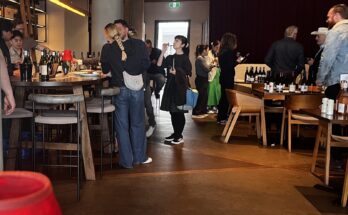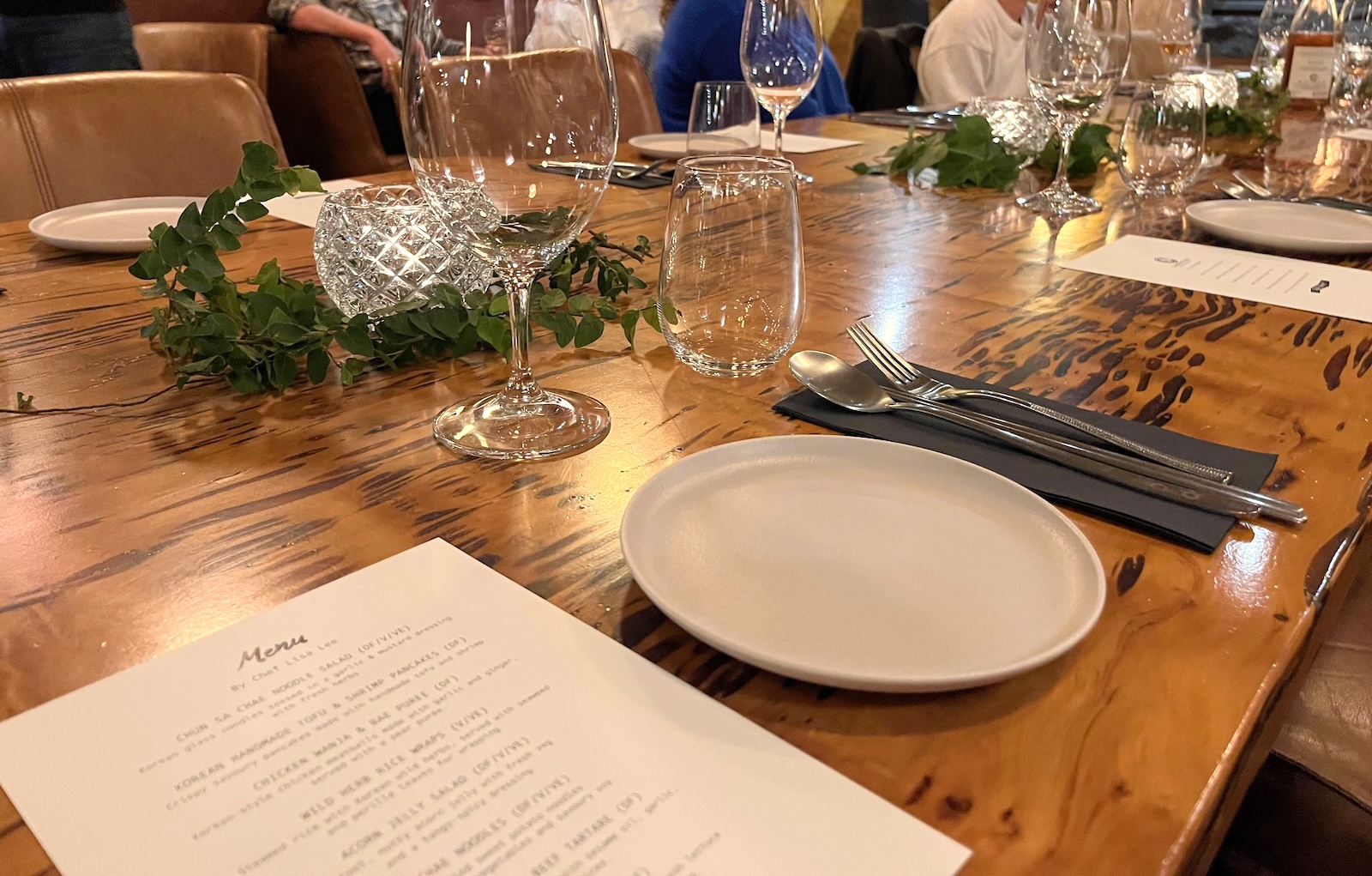
Do you have a favourite restaurant? And, do you always order the same thing when you go? There’s something comforting about this. Don’t get me wrong, I subscribe to all the ‘new restaurant opening’ newsletters and will (very) occasionally go along and try something new. But I am by nature something of a ‘late adopter’ of things. Stuff like technology in particular, so I do have a habit of settling into comfortable (and comforting) ways.
And it certainly applies to wine. Although, to be fair, I am way better at exploring the world of wine than I am trying to learn AI, or getting a smart watch (no, I haven’t). I know way too many people who stick to their lane when it comes to choosing what vino is going in their glass. I’m not talking about the office worker who reaches for a glass of Sav after getting home at 5 o’clock. I’m looking at you with the big cellar and the propensity to drink big reds.
I was wondering why this is a thing, and whether it is a good or a bad thing? Because wine – and restaurants – sit at a crossroads of pleasure, risk, identity, and habit.
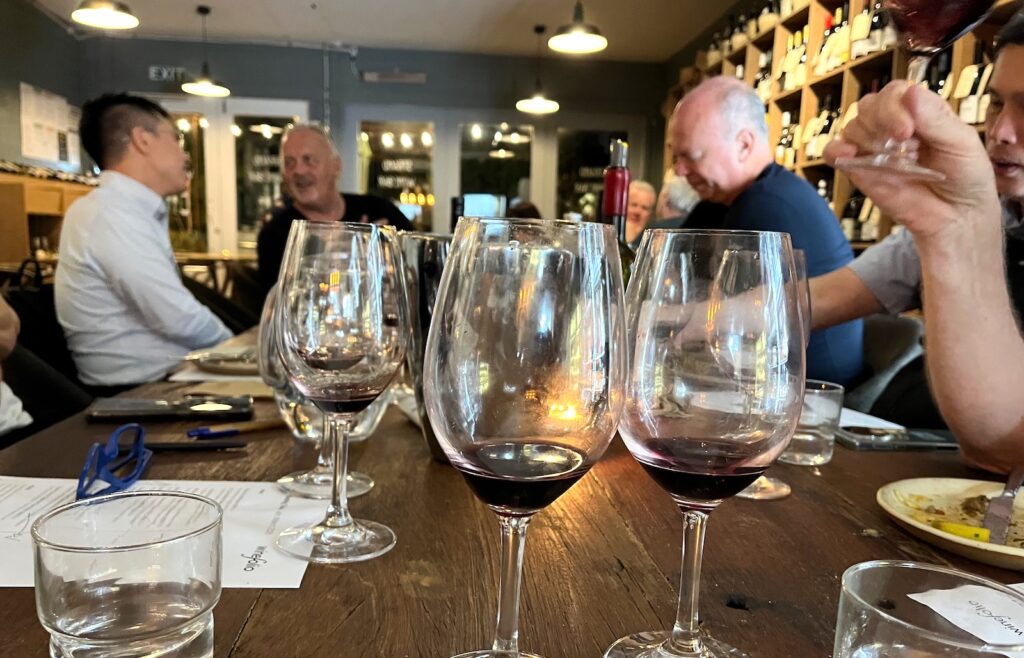
People say they like novelty, but when they’re hungry, social, tired, stressed, celebrating, or spending money, most default to reliability. Drinking, or ordering the same thing solves a surprising number of psychological problems at once. First up is ‘Decision fatigue’. After making decisions all day, choosing dinner or what bottle to open can feel oddly exhausting. The familiar reduces mental effort.
Or what about ‘Risk avoidance’? Restaurants are one of the few places where you pay before knowing whether you’ll enjoy the outcome. Telling the waiter “I’ll have the usual, please” minimises disappointment. Let’s not get started on ‘Emotional comfort’. You know – certain dishes become rituals. A burger after work; the same curry on rainy nights; the familiar bottle of wine – they create continuity and reassurance.
You’ll often see people ordering versions of themselves – it’s known as ‘Identity reinforcement’. “I’m a steak person. Or – I’m healthy. Or – I like Chardonnay.” Order repetition reinforces self-image. People also like to fit in. Not everyone wants to be the explorer, or the person who orders the weird thing (and regrets it).
You’ll have your own favourites without always knowing why. There’s an element here where predictability builds loyalty. Maybe it is because animals are wired to repeat known rewards. If that Central Otago Pinot delivered dopamine once, the brain remembers.
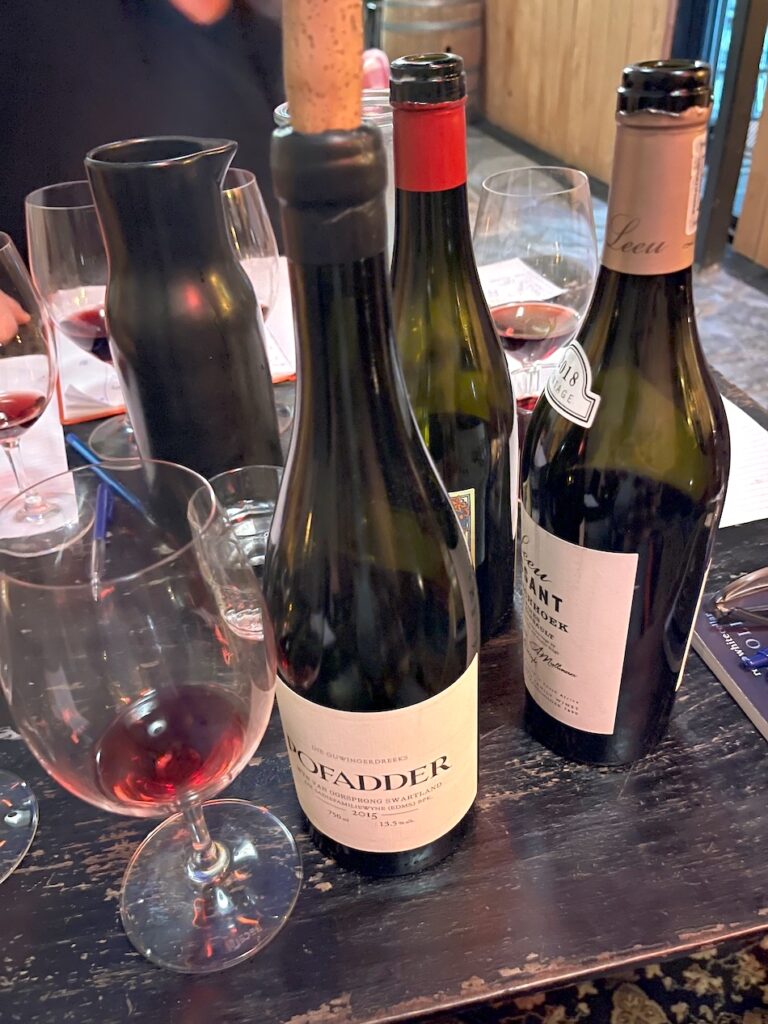
Let’s look at that example further. I could say that you often buy a Central Otago Pinot for novelty within familiarity. You’re not necessarily always buying the same producer, but you want the same region, the same general style, but with tiny variations around the edges. You’re happy to explore – within limits.
That’s why ‘special pricing’ can work. You might reach for “the usual” but you still have a quick look at what else there is in the same category – region, price range. This kind of choice becomes less about the actual wine and is more about reducing uncertainty while preserving a feeling of possibility.