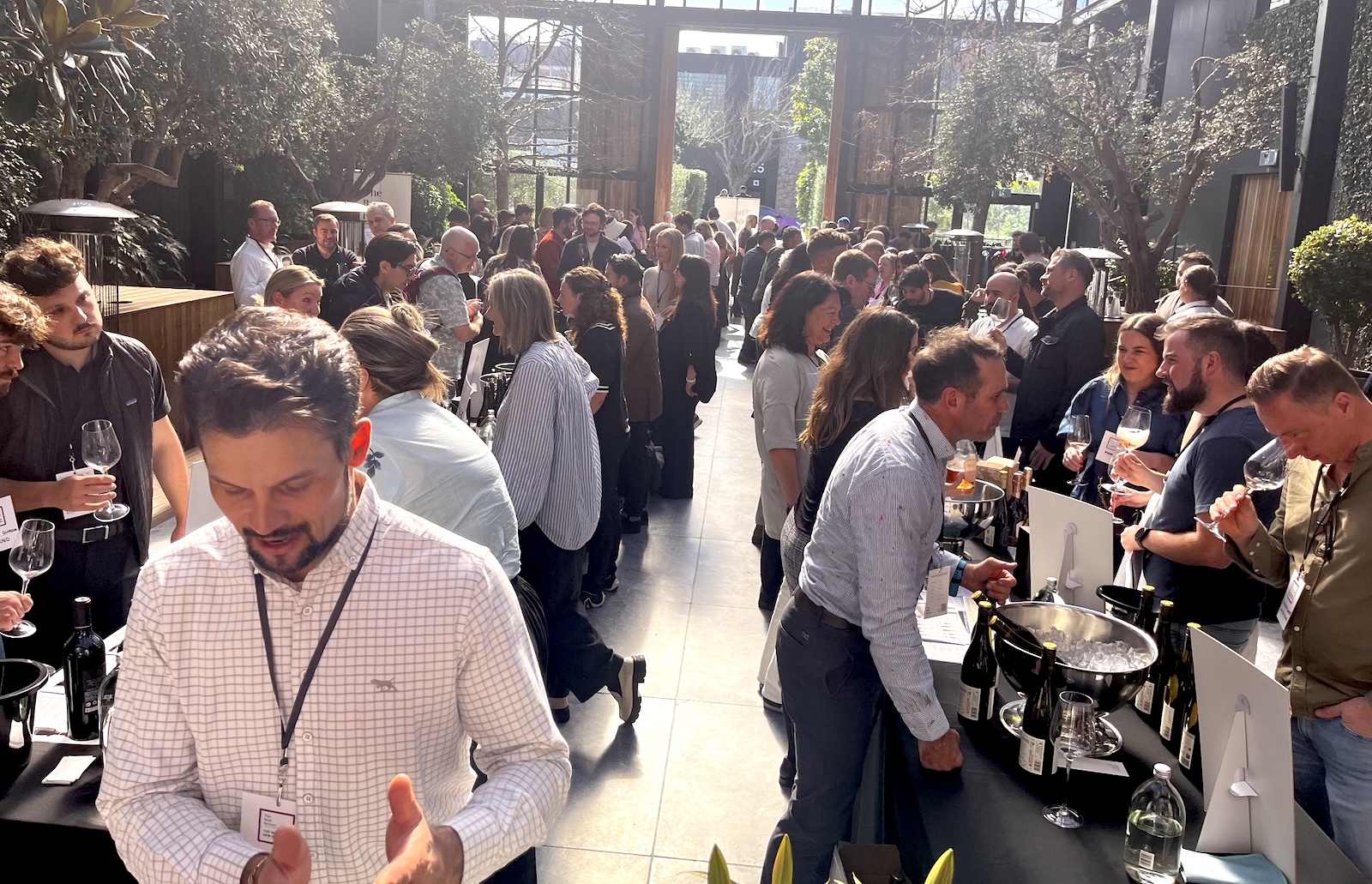
At the tasting session for The Real Review last week – in true WineFolio fashion, I failed to even make it to everyone to say Hello (which I do apologise for). I’ve been a bit under the weather for a week or two, and on a warm Winter’s afternoon, I just wilted in the heat of The Glasshouse venue.
I do manage to do one of my now-preferred options when faced with a field of tasting stations, and it is something I’d definitely recommend – spend time just doing a handful of the producers offerings really well. Go through the entire range of what’s on offer and ask questions. Trying to get a real understanding of a couple of the labels, rather than flying past everyone and it is “Hi…Bye.” I get more out of the afternoon than if I’d tried to look at everything.
This is, therefore, a very specific review of what was a pretty comprehensive array of labels. Some highlights of course – but you’d have to say that the standard was very high. As I would expect for something labelled “The Top Wineries of New Zealand.” Even though there is some gloom around the wine industry of late – with news that half of Gisborne’s vines are now being pulled out – you’d have to say that a snapshot of winemakers such as are here today, leaves an impression that if we can focus on quality (the like of which was in the glass) then things aren’t all bad.
There’s a wide range of vino in the show. Of the 23 labels, there are three very high quality sparkling specialist producers – Esses, No.1 and Vilaura -which I think reflects sparkling wine winning more of the top awards at shows. Bigger labels rub shoulders with definitely boutique-sized ones. Some are here to show their new release, a crowd favourite, or icon wines; and some to bring along something brand new (or left field).
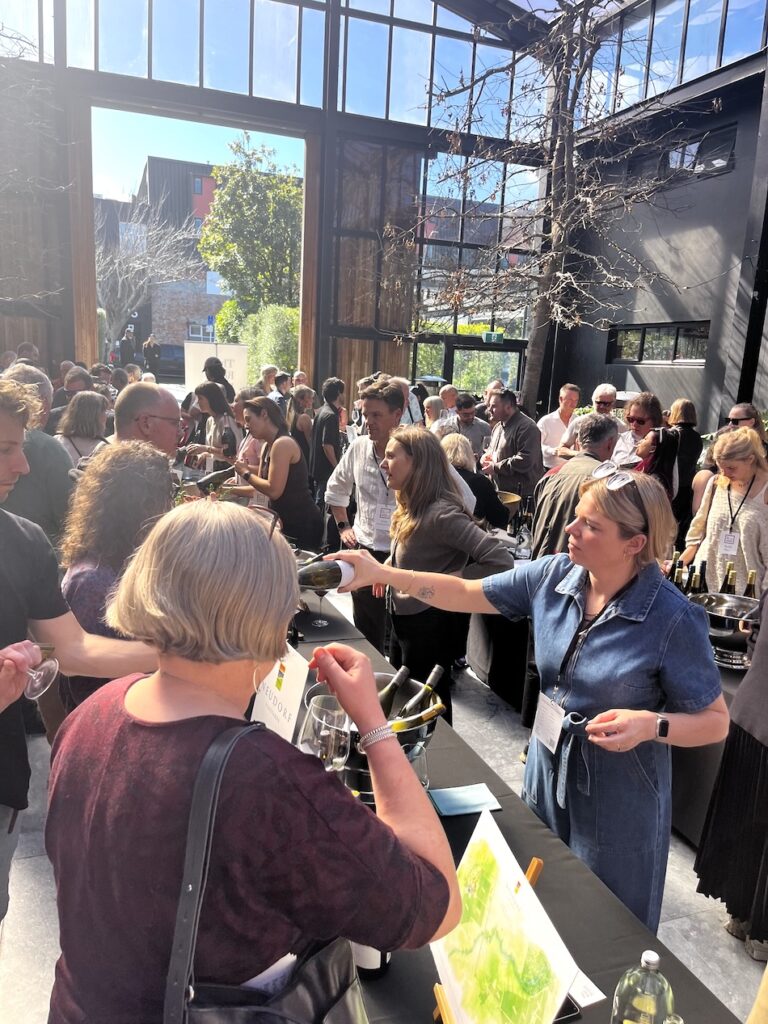
As I said, I can’t offer a comprehensive rundown on all the wines, but here are my thoughts on the handful of labels whose wines I did a deep dive into:
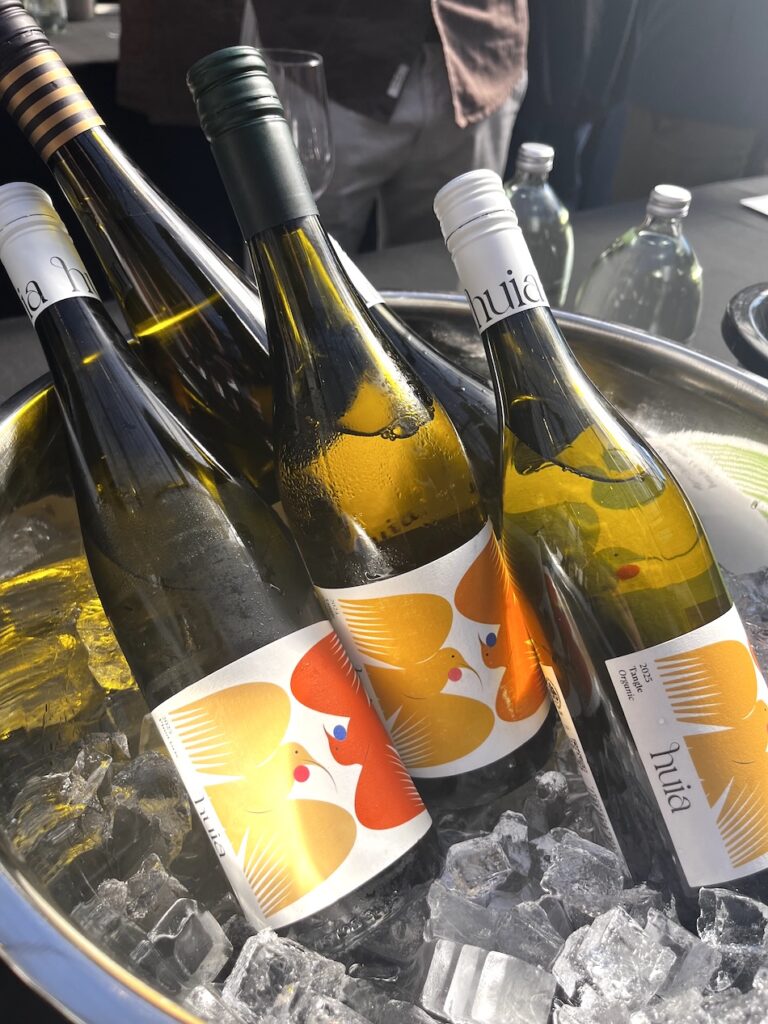
Huia had a new version of their ‘Tangle’ white blend. It is a wine that seems to have a different set of components every time I try it, and today is no exception. The 2024 version is a twist on a ‘PGR’ blend – using Pinot Gris, Viognier and Riesling rather than the Gewürztraminer. A wine that manages to seem both simple and complex at the same time. The 2025 blend is more confusing – but delicious. I guess at Grüner Veltliner in the mix, but it is the Pinot Noir inclusion in this white wine that really stumped me when owner Tom Hegler poured me a glass. A lovely balance between fresh fruitiness, structure and texture.
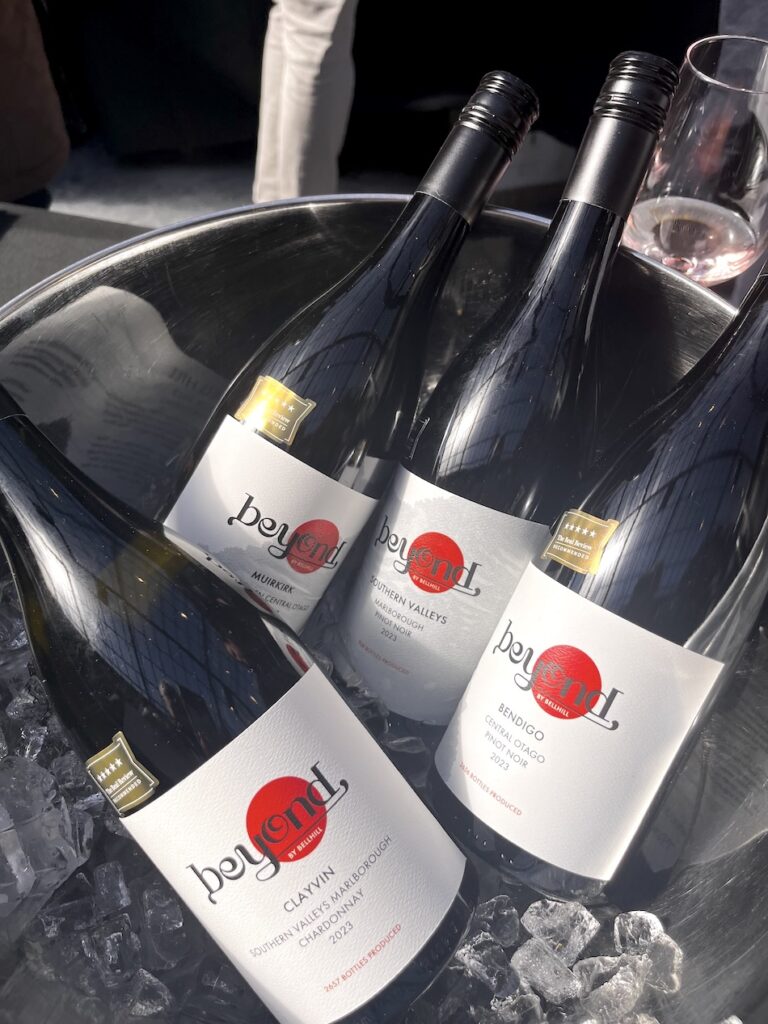
Round at Bell Hill, Sherwyn had a new range of wines to show from the 2023 vintage – labelled ‘Beyond by Bell Hill’. She explained that the idea was to begin sourcing organically grown fruit from outside their home estate—specifically regions like Marlborough and Central Otago—to create new wines that expand their portfolio past their 3.2-hectare property in the Weka Pass. 2023 was a tricky vintage in North Canterbury and taking grapes from elsewhere offers wine lovers a more accessible extension of the ‘Bell Hill philosophy’.
I particularly liked the Bendigo Pinot Noir and Clayvin Chardonnay. I see the Bell Hill signature, but it was really interesting to see a very different fruit profile inside the glass. The Chardonnay with more weight and density; and the tannin grip of the Pinot being quite notably different from what I know/expect from something out of a Bell Hill bottle.
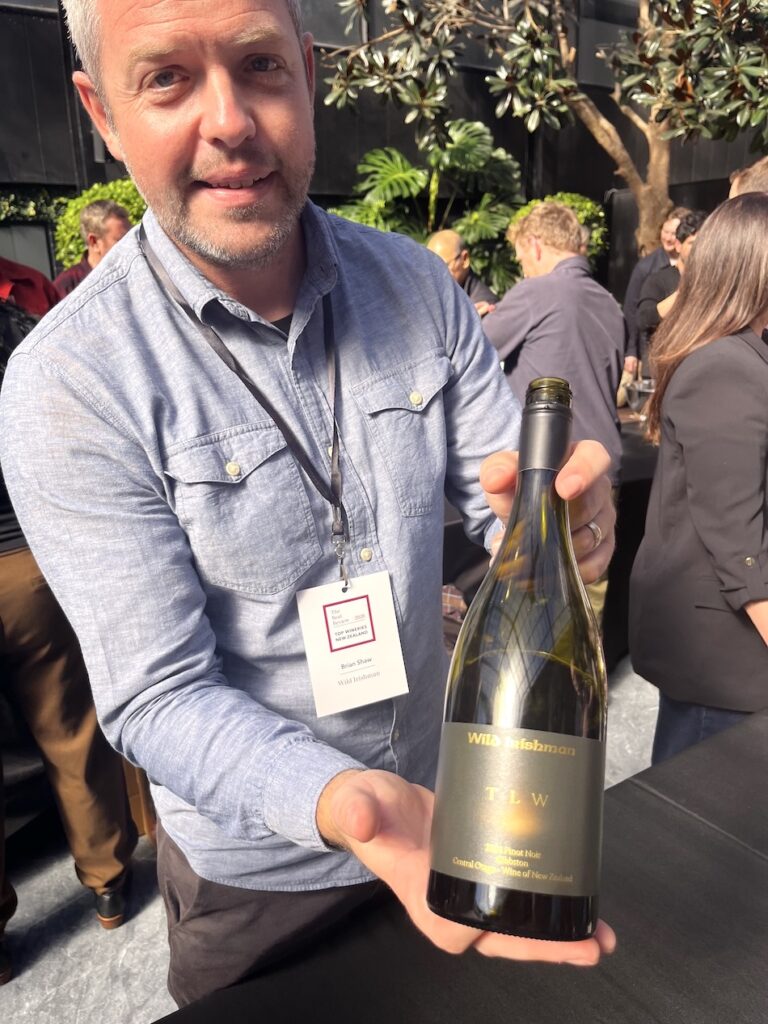
Alan Brady was flitting around his stall, where winemaker Brian Shaw was showing the latest Wild Irishman offerings and telling us about the new winery home in Alexandra. They are another label that shows the sub-regional story that is the key message as Central Otago grows up. Gibbston – obviously, given Alan Brady’s story – provides three, and are joined by a couple from Alexandra, and now a Doctors Flat Vineyard Pinot from Bannockburn. A new wine to me was ‘The Light Within’ Pinot Noir 2024 from Gibbston. Young and slightly chaotic – needing time to resolve and knit together, but this had plenty of promise, and should develop to rival the ‘Macushla Pinot Noir’ from their range that has usually been my favourite.
Simon and Lauren from A Thousand Gods have what is probably my favourite white wine of the afternoon – using organic fruit from the excellent Churton vineyard to make their ‘Blanc’. The grape varietal is muted – the intention to produce a textural white wine trumps any varietal nuances. Aromatic and zesty with the skin-ferment winemaking offering plenty of texture as well. Fruit tannin offers a prickle across the tongue – it is a not a wine that lacks personality.
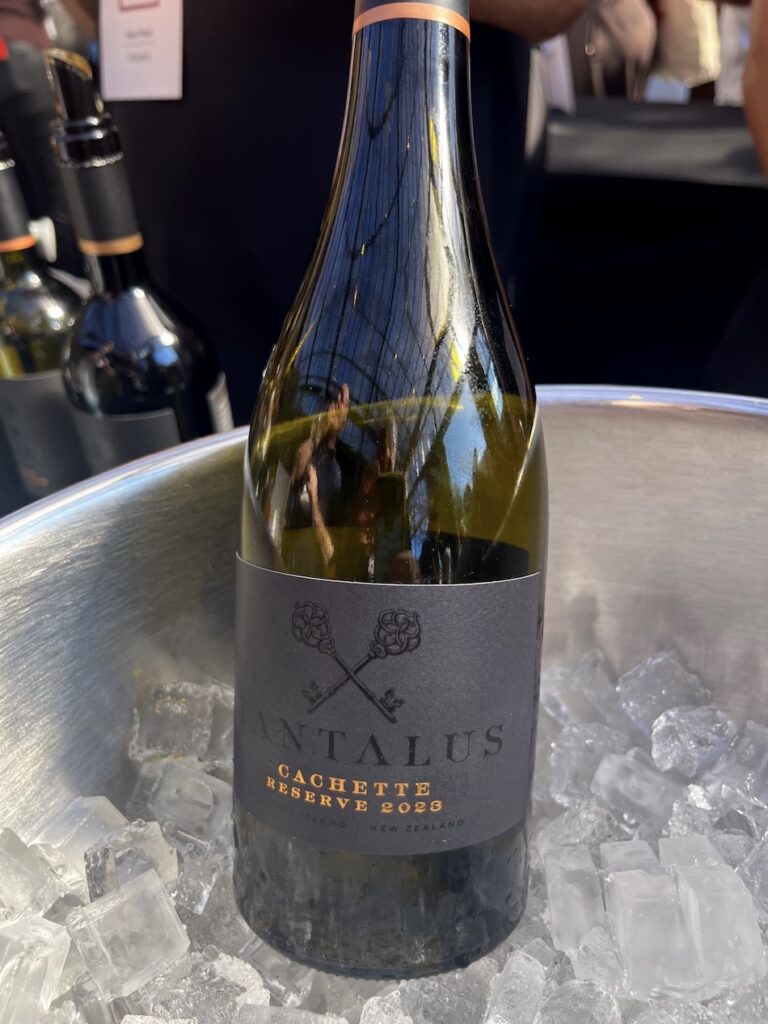
Next to them were Tantalus and I hadn’t bumped into Alex Perez since I was over doing an interview and trip around the winery back in 2022. Their top tier Reserve wines – Cachette Chardonnay, Écluse and Évoque red blends and the Voilé Syrah are all excellent examples of their style, balancing power and unctuousness with well-articulated structure. They should be drinking well for a decade or more – even the Chardonnay. On a side note, I’m not surprised that the restaurant got one star in the new Michelin ratings – I’ll be back in the summer.
I was delighted to see young gun Anika Willner, the winemaker at Coal Pit, was at the event, so that I could pass on my congratulations at her promotion to General Manager of the Estate. Coal Pit are a fully organic, single-site estate in Gibbston and whilst the focus is on some delightful Pinot Noir (the standard seems to rise every year), they also make a Sauvignon Blanc and Rosé – both of which are quite complex and energetic. The Tiwha Pinot Noir is arguably their most important wine – being a Gibbston wine, using a touch of whole bunch to elevate that mesmerising perfume; but they’re making sub-regional wines from Bendigo as well.
Again, apologies to acquaintances that I didn’t get around to… and labels where I did try some excellent wines. It is a commendable tasting and one I’m happy to endorse (eagle eyes will have seen the advert on the site promoting it).