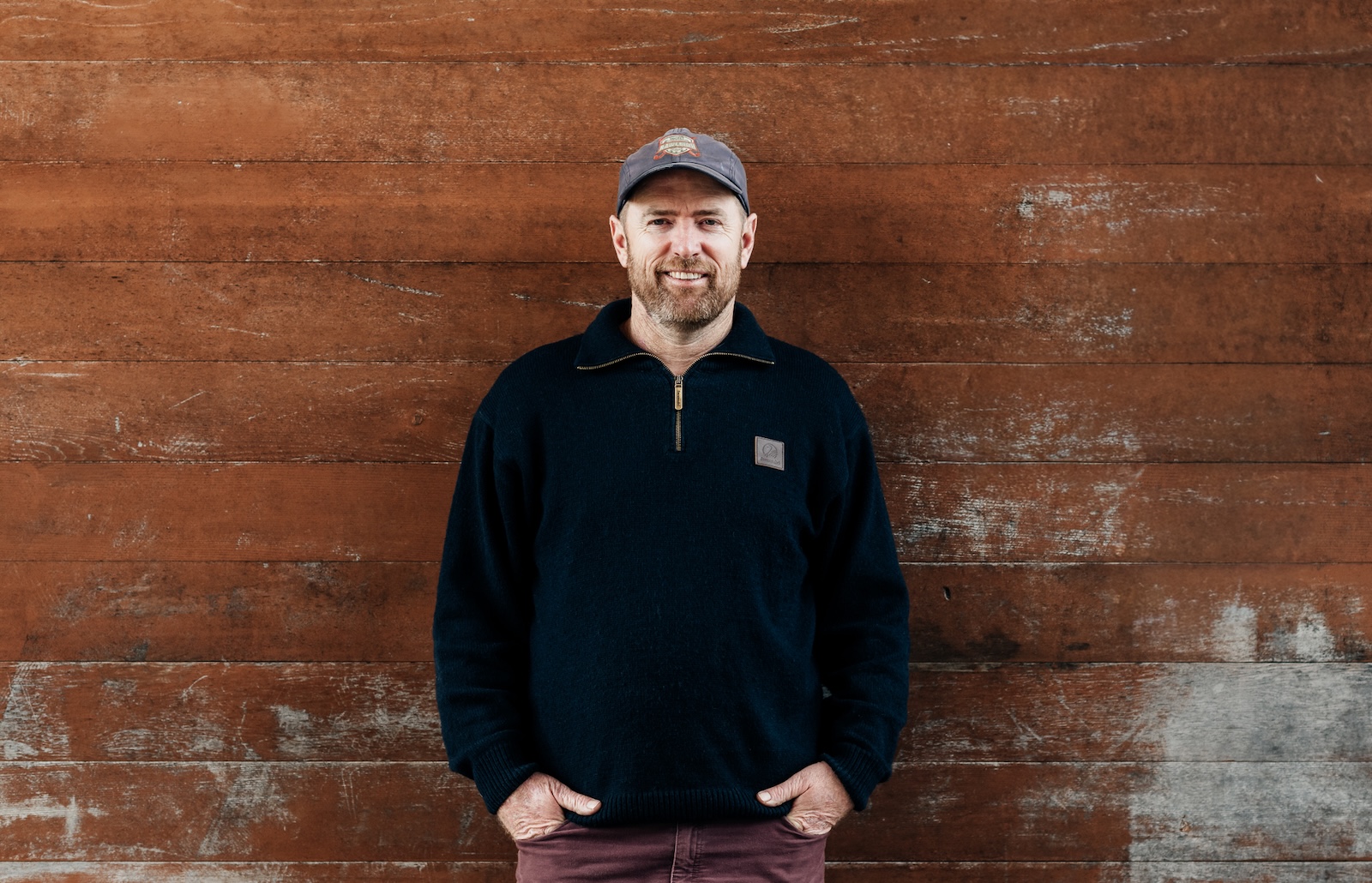
I met Paul Mason last year, at the excellent Jervois Supper Club series of evenings run by Glengarry in Auckland. He had recently moved over to the Nga Waka label after being at Martinborough Vineyards for twenty years. And then my colleague Steven sent me an email about a new label he’s involved with – which seems to be a personal project, also from the region. I was on the phone a couple of days later, keen to get the lowdown on this.
Winefolio: Hi Paul, wanting to start off asking about the new project, obviously. Was it a sense of wanting to give yourself a challenge that led you to the Hidden Vineyard project?
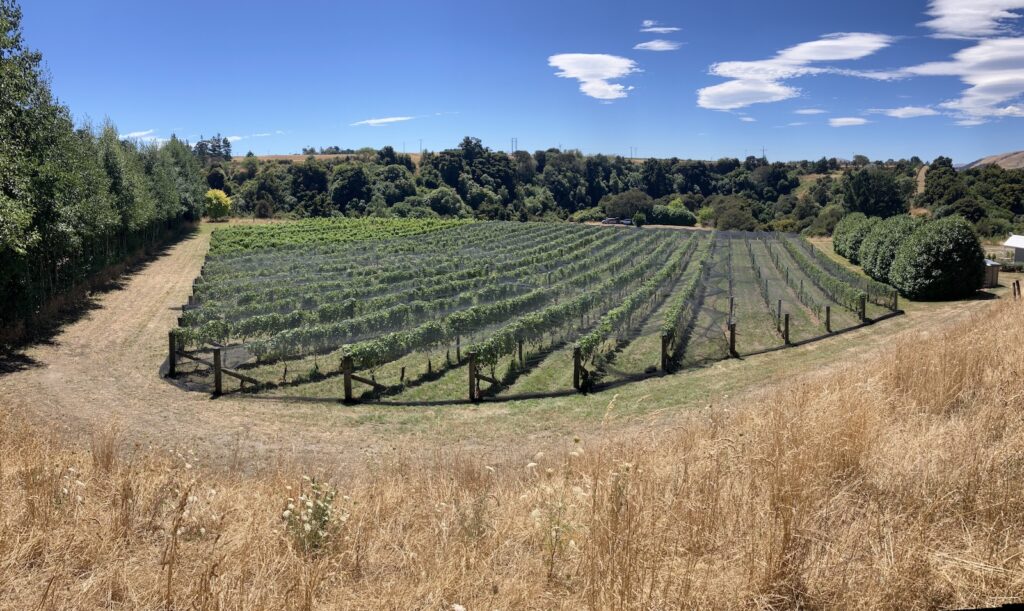
Paul Mason: Me and my wife, Amy, had lived in the middle of town ever since we moved to Martinborough in 2004. And we were looking for a bit of property out of town and we’d looked around at different places, mostly just sort of farm subdivisions. But Mike and Margaret Hansen, who make The Elder wine – now Blue Earth – said their neighbours were looking at selling. So, we went and had a look out there and fell in love with it at first sight and bought the place straight away.
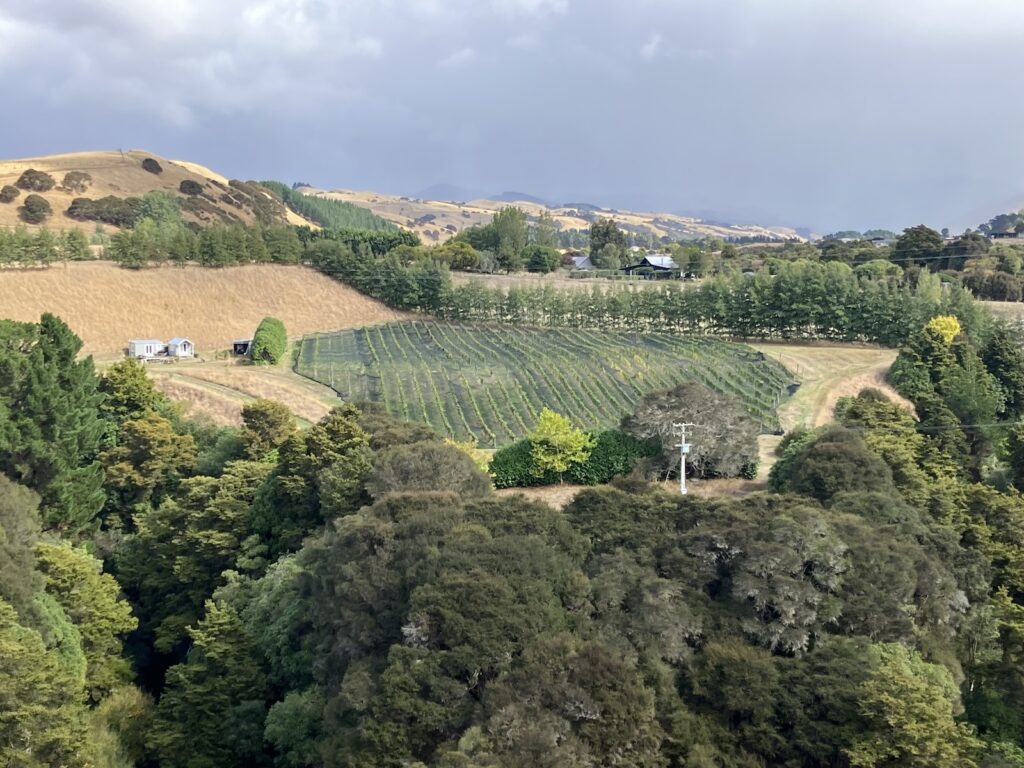
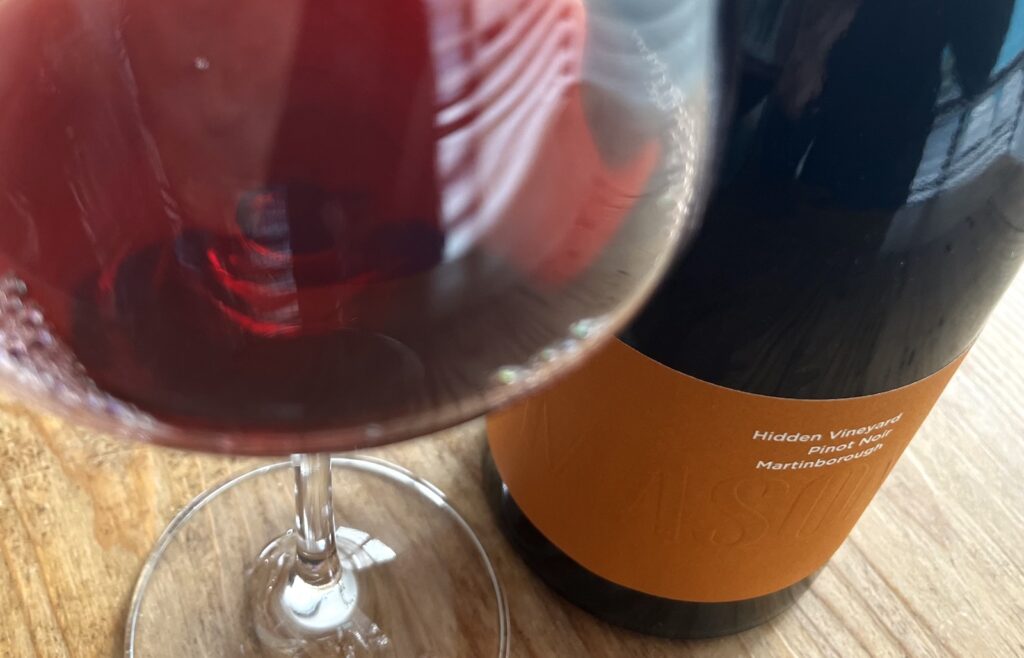
I was sort of jokingly saying ‘unfortunately it came with a vineyard’. It’s a beautiful property, on the Ruakōkoputuna River. Five hectares with a fair bit of native bush, but it does include a hectare of vines that was neglected when we bought it. It was all overgrown and falling down and hadn’t been in production for a number of years. We basically have tried to restore it back to life, and got our first crop off it in 2023. We primarily bought the land because we love the section out there. Very peaceful, beautiful views, and the wine has become a part of it.
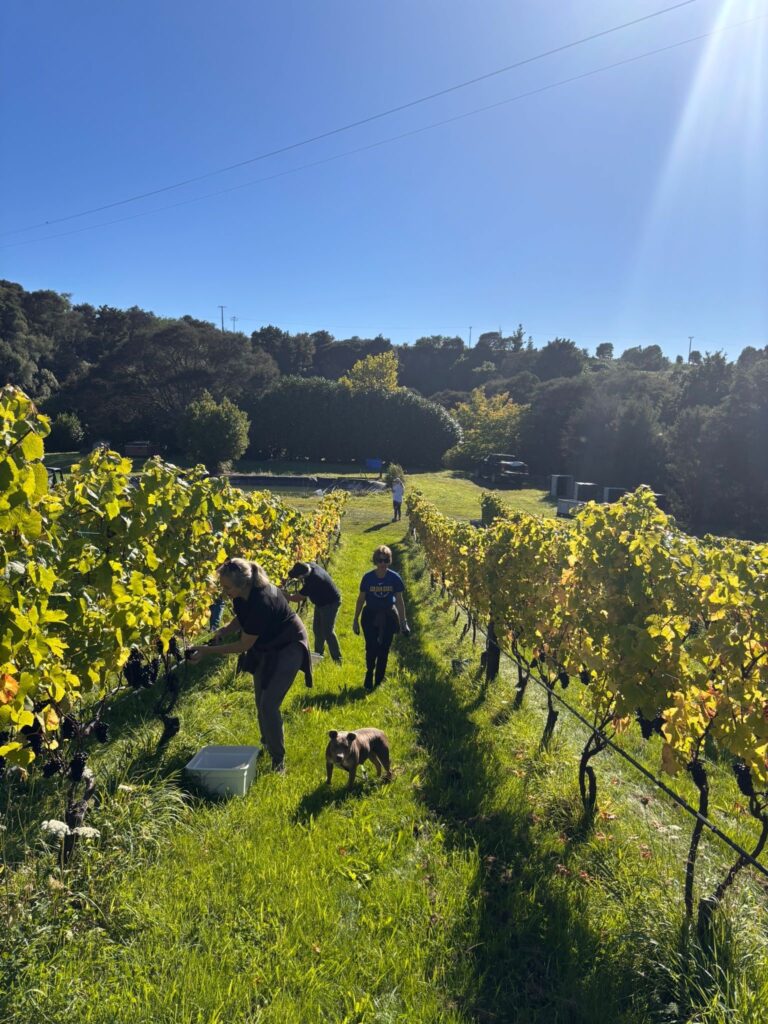
The Hidden Vineyard has got me back into having complete control. We do all the work. All the spraying, the mowing, the leaf plucking, the pruning – is all done by us. So I’ve really enjoyed that side of the project. At Martinborough Vineyard, my role was very much just winemaker, and even though you’re very close to the vineyards and work there, you don’t have control over the vineyards as such. At Nga Waka, I find that very rewarding – spending more time out in the vineyard and lifting the quality out there to help the quality in the bottle.
WF: Is the Hidden Vineyard project a kind of like a labour of love?
PM: Yeah, I was joking “that’s what I do on the 8th day of the week”. Basically, it is a labour of love. I think I said years ago, I’d never own a vineyard, and here I am in 2026, owning and producing wine off my own block. So it’s my spare time, on weekends, after work… and whenever I get time, we’ll do the work. Which now we’ve got it back up and running is a little bit less than what it was in the first year. Now we’ve got to get on to other things like selling the wine as well.
But it is only small blocks – only one hectare in size; around 1900 vines. So it’s not a huge amount. It’s kind of a perfect size, I think, for us to manage. Wouldn’t want it to be any bigger. So, being that nice, small size means you can do everything yourself and not have to pay people to do things.
WF: Are you making the wine in your garage or are you making it out at where you work, your real job?
PM: No, making it there. They’ve been very good about me being able to make it there, using their facilities. During the interview process, I was pretty open about that, and they were more than happy to support me, knowing it’s only going to be small production. We’re only doing around about 100 cases of pinot and about 100 cases of rosé at the moment off there and I can’t see it getting any much more than that.
WF: What’s the site like? And how important is terroir to making Pinot in in Martinborough?
PM: Oh, hugely important. During my trip to Europe we spent a bit of time in Barolo and Barbaresco, and that was really cool to see all the individual vineyard sites and the different towns and why this wine is different to that wine. It’s one of the reasons I got into Pinot. The individual expressions of different vineyards and towns – and why that is. I think we’re just starting to see a bit of that in New Zealand now, and especially Martinborough. We’ve got the old Martinborough Terrace, where all the original vines are; then south of town, heading out Lake Ferry Road – some different vineyards out there. Te Muna as well.
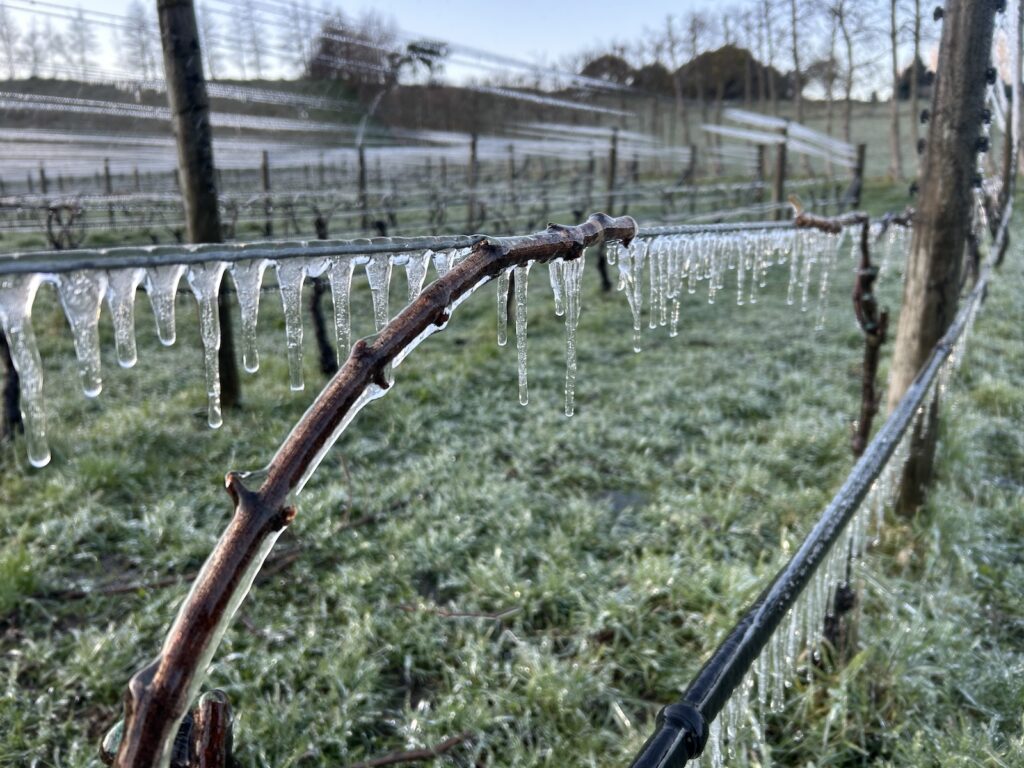
So we’ve got all these little subregional plots that we can see differences in the wines, which can only be attributed really to the land that it’s grown on. We’re right at the very far end of Te Muna – the southern end, just past Craggy Range. We’re on the other side of the river, and probably a little bit lower down to where Craggy is. And so it creates a real sort of sheltered site – nestled amongst the native bush. It does get very cold. But being lower down seems to be slightly heavier soil as well. It’s interesting to see how that’s coming through in the wine.
WF: What you think is next for the region? Is it that a subregional discussion?
PN: As you know, Martinborough is still such a small region. We have to push Martinborough as the name to get that out there as much as possible. Once people discover that, and can appreciate Martinborough… then it’s about teaching the differences within this region. We’re still discovering a lot of that ourselves. It’d be interesting to see in another 20 years time where it’s at, but it’s certainly starting to happen.
WF: I also think there is a shift away from extraction and weight to a more kind of considered style, isn’t there?
PM: Well, you’re going to see some sites that naturally give you that, I think. So from what I see in the Terrace, certainly, and maybe the Abel clone, especially, you’re going to get more structured, savoury styles of wine, that are naturally richer and denser. And even parts of Te Muna, you’re still going to get that, but maybe with a different aromatic profile. Move on to the clay soils on the south side of town and you’re going to get softer, juicier, sweeter fruit spectrums of wine.
On our block, we’re picking that four weeks after we pick in town, only ten kilometres away. And it’s giving us another four weeks of ripening time. Definitely cooler out there, and that cooler conditions contributes to a wine that’s not as rich in tannin as the wines we get in town off the Terrace. Definitely more perfumed, slightly spicier, more elegant sort of styles of Pinot. And not that I’m doing the winemaking a huge amount differently; but it’s definitely coming through in the wine. The difference is based on the site.
WF: What about clones? How important do you think that is?
PM: It’s hugely important across Martinborough. I’m a massive fan of the Abel clone, and at Martinborough Vineyard, we’d shifted the Home Block to about 50% of Abel. I think it’s a really great base for Martinborough Pinots in town. The Dijon clones crop erratically here, which is frustrating, but can give you some lovely sweet fruitedness. And Clone 5 is always going to be a good blending component as well. I guess we’ve had 25 years looking at all those Dijon clones now to get a pretty good idea of what works and what doesn’t work. And now some of those are getting into good vine age as well, which is also good to see.
And then on the other hand, on my block, we’ve got a fruit salad of clones in one hectare. The block was planted 2001, and around that time, is when the Dijons were coming into production a lot. And there was a scarcity of vines. Everyone was pretty much grabbing what they could back then. So in one hectare, we’ve got six clones of Pinot on seven root stocks. There’s no way in the world I’d ever plant that myself, but that’s what we have – and it’s quite cool to see. And, actually some root stocks I haven’t seen anywhere else either. So, interesting to see what’s working and there’s maybe some lessons out of that as well.
WF: I saw in your notes that the Pinot has no whole bunch in it. What are your thoughts on whole bunch in Pinot?
PM: I do like it in wine typically. I see where we are in our block, where it’s a naturally cooler block – we’re getting that fragrance and perfume that I like from whole bunch. We’re getting that from the site. We’re only picking a couple of tonne of Pinot, so, I haven’t tried whole bunch because I’m sort of seeing whole bunch of characters without it already. So, haven’t really done a lot.
I’ve tried it over the years at Martinborough Vineyard, with varying levels. Never really felt like I nailed it or felt that it hugely improved the wine, I always liked a little bit in the wine, and we sort of tinkered on their edges a little bit, but haven’t gone down that whole bunch route as much as some other winemakers in town have.
WF: Has your taste or approach changed over time?
PM: Oh, yeah. Quite a bit. I think you don’t probably don’t realise it at the time, but it’s an evolution. While we were in Portugal recently, I got to catch up with an old friend who’d done vintage with me here in Martinborough in 2009. We were reminiscing about the wine making process back then, and that’s 17 years ago. It was interesting. A lot of stuff he had remembered that I’d forgotten – how we were doing things back then. Definitely has changed quite a bit. From the number of punchdowns, oak use, time in oak, skin times… And all of those little things just add up to a change in styles. And then overlay that with some vineyards getting older vines now to 20 years ago. So, I’m sure that changes things as well.
WF: Do older vines really make a noticeable difference?
PM: I think so, I mean, you still get some vineyards that from day one are cracking wines; but, I certainly saw it at Martinborough Vineyards. And luckily over the years, certainly with the Foley investment, we had the opportunity to pull some vines out and replant. But if a vineyard was healthy and old, I’d much, I’d much rather take that over a younger vineyard.
30-40 years ago, vines were getting planted at three metre rows and two metre spacing. So, you’re only getting 1800 vines a hectare. Whereas replanting gave us the option of planting vines at 5000 a hectare, so there were three times the number of vines per hectare, which I think is much more critical to the style and quality going forward. More than anything else. Setting up vines healthy and at the right planting density going forward will put Martinborough in a better spot in 20 years time.
You: Who were your earliest influencers or mentors?
PM: Well, first out, I got into Pinot by tasting a bottle of Martinborough Pinot, actually. Something from Larry McKenna.
WF: You’re not the first person I’ve heard who said that!
PM: I mean, that was the mid 90’s when New Zealand was just starting to get into Pinot, and make some international quality ones. So I remember tasting one of his – the ’94 Reserve, and thinking, wow, that was something special. That’s one of those wines that stopped me in my tracks.
And then I was also very lucky in my third year in wine that I got to work at Villa Maria, up in Auckland. I was reading your interview with Nick Picone and he was talking about what a great work environment that was there, and the amount of quality people working there. I was there a bit earlier than Nick. So I was there late 90’s and that was a really cool time at Villa. Michelle Richardson, George Geris were there. Everyone there was all about making good wine. Trying to make better wine each year.
It was a real steep learning curve. A lot of us that were in the cellar at that time have gone on to be winemakers elsewhere. It was just a really good environment to be in and I learned a great deal about the practical side of winemaking. The actual doing it rather than the theory of it. And so it taught me a lot of good habits in the cellar, I think. So that was a hugely formative time. I also got a chance to work with Simon Nunns up in Auckland at Cooper’s Creek for a couple of years, and he was great for the detail of wine. Learned a fair bit from him as well on my time there.
I was very fortunate to get a vintage job in Burgundy at Domaine Lafon with Dominique Lafon, and that’s one of the greatest vintages I’ve ever done. Absolutely fell in love with Chardonnay after working with him. It was enlightening to me – the world of fine, top end Chardonnay. Again, there were those differences between the different vineyards that they had in Meursault and Montrachet. So, really, really cool experiences.
WF: Are there any other grape varietals that you would have liked to work with or would still like to work with? The answer is Nebbiolo by the way!
PM: Yeah, I just don’t know – I don’t think it would work at Martinborough. And I love living in Martinborough, so I can’t say Nebbiolo. I’ve always had a weak spot for Syrah as well, and I think Martinborough can make some great Syrahs. Nga Waka recently purchased a block here in town. and we’re looking at planting a little bit of Syrah there. And also, more recently, got a little soft spot for Albariño, so wondering if that could work in Martinborough as well.
I don’t know too many people who have it. I think Nick Picone mentioned maybe in his interview, they’ve got a little bit with Poulters. It’s certainly warmer up in Hawke’s Bay, given that they can grow Cabernet and Merlot, where we can’t do that here. It might be really interesting to see if it is warm enough in Martinborough, if we have a long enough season to grow it. I’ve been talking with Al at Grava wines here in Marlborough. He does a fair bit of work in Spain and especially up in Galicia with Albariño there.
We’re sort of weighing that up at the moment whether we might plant a little bit here to give it a go. But we probably needed a little bit more investigating. I hoping to get to Hawke’s Bay in a couple of weeks’ time and see the Two Terraces block up there, which grows a bit of Albariño. That’s a great concept – organically grown fruit and it seems like quite a few cool labels coming out of it. Not only from established producers, but also some newer, younger producers. Much like I see in Marlborough with the Wrekin vineyard.
Obviously the Chardonnays in Hawke’s Bay are world class. I had a little bit to do with the Chardonnay symposium’s first couple of editions up there in Hawke’s Bay, and I see that as a huge future for the region.
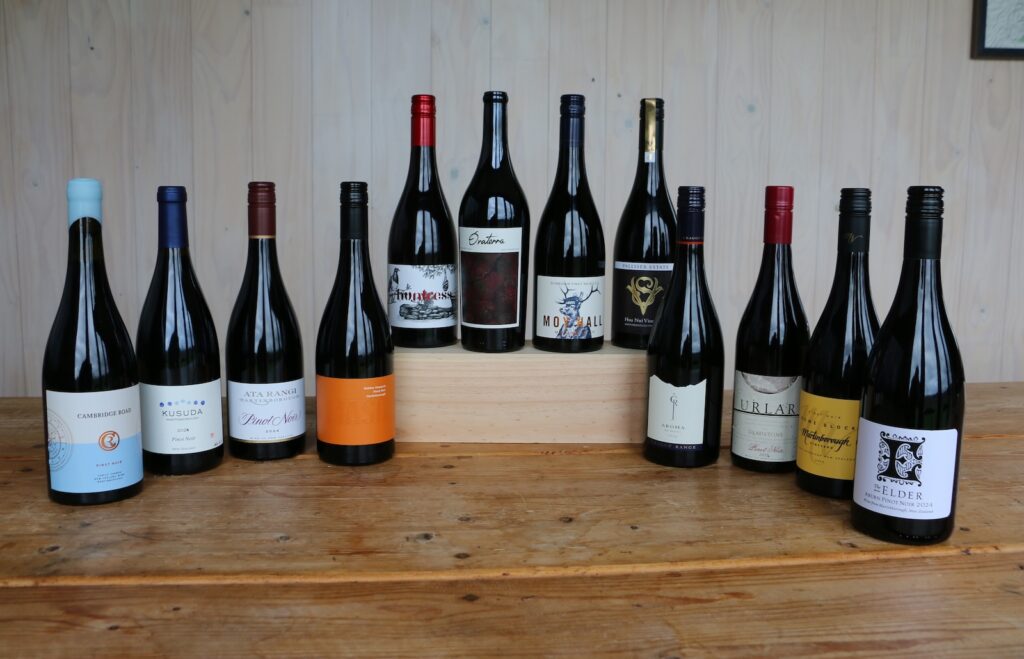
WF: Obviously they’ve been pioneering their Hawke’s Bay Chardonnay vintage selection box, and I see there’s one now for Wairarapa Pinot. Which you’ve made the cut for?
PM: Yeah, first time we’ve done it in this region. Took a little bit of organising to get it off the ground, but great to do – and a cracking vintage for us to launch it on. The 2024 vintage is certainly one of the best ones I’ve experienced in Martinborough. A good range of wines within that. And we’re delighted to make the cut.
WF: It’s important to keep telling those stories. Sometimes you feel like you’re on a hamster wheel – just keep keeping on, keeping on. But there’s always some customer out there who doesn’t know about it. And so, do you think that storytelling is important?
PM: Oh, hugely important for Martinborough. I think over the years we’ve suffered by pouring all our energy into growing and making wine, and not necessarily selling wine. It’s part of the pyramid that you need to be successful – to get out there and tell the story. I think it is harder as a smaller region. We don’t have a huge number of producers that export. There is a good number, but not enough to get around the whole world. So we do need to tell the cool stories coming out of this region. The dozen selection is a good way of getting the story out there a bit more.
WF: What’s your favourite wine you’ve had a hand in making/growing?
PM: The 2008 Pinot, for Martinborough Vineyard, goes down as my favourite. It was my second vintage in charge. It was interesting because the 2007’s came out and they were all very small crop, warm summer, blockbuster wines. I think every Pinot we made in that year was Gold medals, trophies awarded… lauded. When they come out at the end of 2008, they were big ones, and they weren’t necessarily my ideal Pinot. They weren’t subtle, and they lacked that sort of intrigue. They were just solid wines – almost too big and too bold.
And I knew at the time, back in the cellar and barrel, we had all these 2008’s, which I thought were just beautiful wines. It was a really balanced season. It wasn’t too big, wasn’t too hot or too dry, too cold or too wet. So right in the middle, which I always thought was the best conditions for Martinborough. And I had all these wines sitting in barrel that I knew were my style. Where I thought we should be.
And you’re selling out the 2007’s and they’ve got great accolades. I was a bit nervous when the 2008’s came out – that they wouldn’t live up to the previous year. And it took a little while, but I remember about five years later, I was tasting them side by side with some wine writers and telling the stories and we all agreed that the 2008’s were the better ones. Still to this day, it’s a vintage that sort of made me trust my instincts quite a bit as well – with what I was seeing in the barrel and even on the vine.
WF: What do you think defines great wine?
PM: That’s a tough question. Really great wine is the one that stops you in your tracks. I’ve probably had a handful of that I can remember – where I’ve gone, “wow, that is an amazing wine”. Some of it comes down to the right time and the right place as well. They talk about ‘there’s not great vintages, there’s just great bottles’. And some of that is the right place at the right time, sharing it with the right people with the right food, et cetera. But I think they also come from special sites. All those great wines have something endearing about the site. The combination of where it is, and what’s planted there and how that all comes together to make a great wine.
WF: Well, I’m doing this thing at the moment called The Tasting Table where I take some of the wines that I get sent out to dinner with a table full of people and I’ve got one next week. So if the stars align, I might be able to put one of your wines in front of a few faces as well.
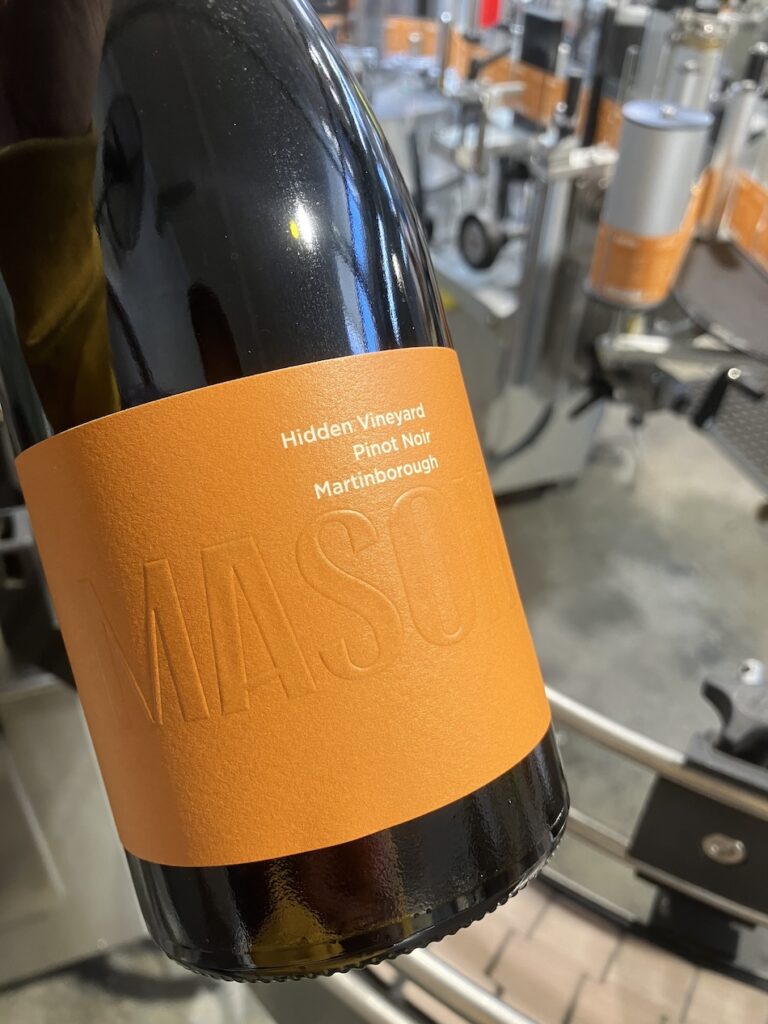
PM: Yeah, I thought I’d include a bottle of the 2024 there for you as well. If you hadn’t tried that. It’s a good contrast between the two seasons. The 2020 and the 2024’s are a bit more richer and structured, I think, whereas the 2025’s are really sort of pretty and perfumed and more elegant. So I’m enjoying both for different reasons. Hopefully you see the site comes through a bit in that and that it is a cooler site compared to the rest of Martinborough and how that comes through in the wine.
*Note, after this interview, I did present the 2024 vintage Pinot Noir to the Tasting Table, and it was a big hit. Look out for a review of that on the website in the near future.