Haidee Johnson is the winemaker behind Halite. She has quietly turned a lifelong curiosity about wine into a successful career. She got her degree and then from making wines across the world – think: California, France, and Australia she was named North Island Young Winemaker in 2018 whilst at Villa Maria. A hop across to Palliser followed, and now she has settled into Martinborough life with her own label – one of the country’s tiniest producers.
Haidee says “I founded the label in 2021 after starting a family and feeling the quiet pull back toward winemaking. Halite connects me to who I am. A space to create, to express, and to let instinct guide the process. Halite, better known as rock salt, is the inspiration behind my wines: honest, grounded, and full of character.
Through Halite Wines, I explore a ‘salt of the earth’ approach to winemaking, working with organic growers and allowing each wine to find its own natural rhythm. Patience, intuition, and time guide the process. I’ve been continually learning, exploring, and discovering what makes each wine unique. They are balanced, textured and full of life, but above all, simply delicious.
For me, organics is more than a method. It’s a way of seeing the world, recognising the deep connections between the land, the people who care for it, and the generations to come. I work with growers who share that same respect, and together we craft wines that speak of place and purpose.
Halite is my way of celebrating the delicate dance of life – its moments of joy, balance, and unpredictability. Through wines that are authentic, expressive, and alive, I hope to share a little of that wonder with you”.
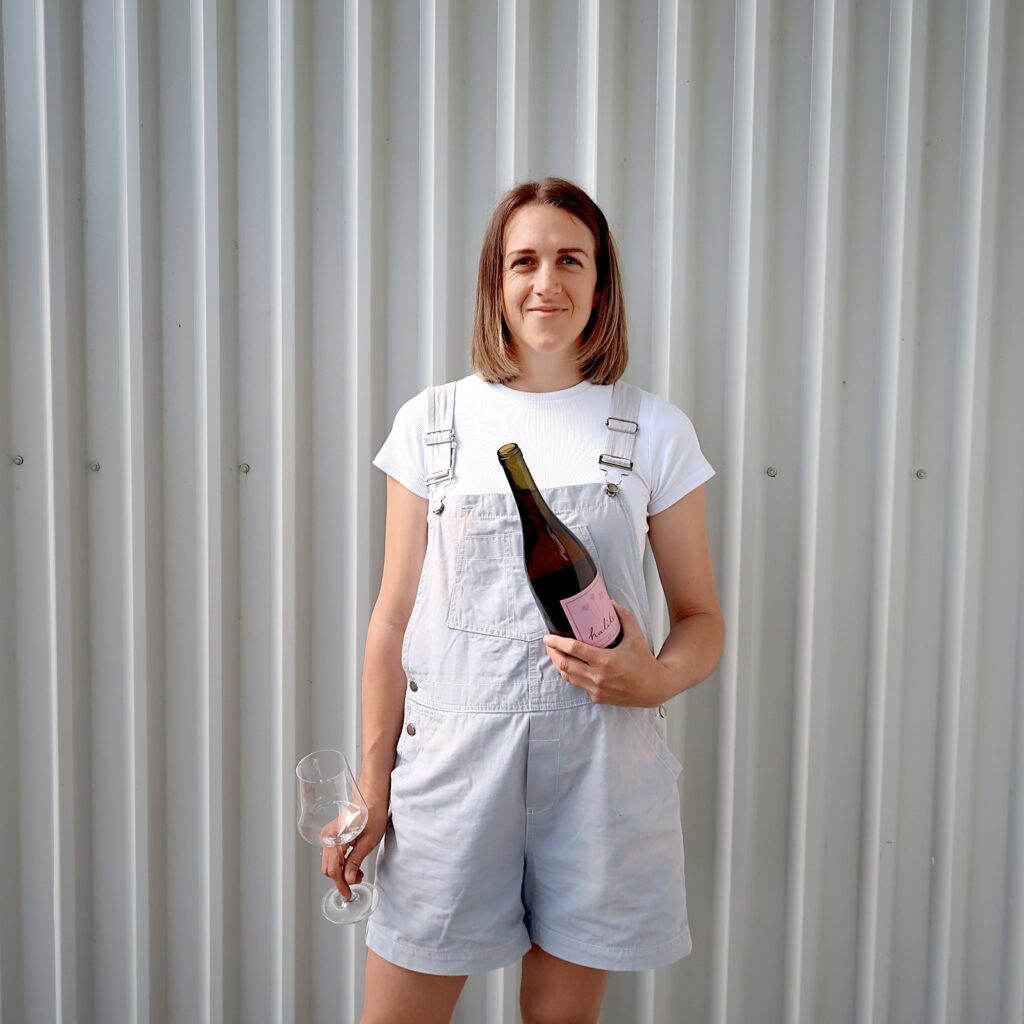
After tracking Haidee down, I set her to work on a series of questions to get to introduce herself and the label to our readers. I’ve tasted a few of the wines, and I have to say I am a fan. A couple of reviews form the conclusion to this article…
What’s the background to the Halite label?
The three flowers represent biodiversity. They’re inspired by the various cover crops you’d see planted in organic vineyards. The colour palette stays within earthy tones, keeping in line with the Halite ethos of being ‘salt of the earth’ wines.
What was your path to there?
Finding the right fit for the label took time. Brand identity evolves as you grow, and the more you understand the market and what you’re trying to express, the deeper the connection becomes. We had a more playful look in the early days, but we outgrew it quickly. The current design feels more grounded and true to who we are now.
Can you explain what you think defines a Wairarapa wine compared to other parts of NZ, for example? There’s an underlying savouriness that runs through most varieties in the Wairarapa. Especially in Pinot Noir, it’s aromatic, textural, and structural. That savoury edge is such a defining character of the region, and one of the reasons I fell in love with Pinot here.
With a few new, smaller labels popping up in New Zealand – do you see a change in the landscape a bit – more diversity, less dominance by big brands?
The demographic of wine drinkers has shifted. People are looking for something with a story and a genuine connection to the brand. Authenticity is key, and I think many of us are trying to make wine drinking more enjoyable and less serious.
I don’t think it will completely change the landscape of wine buying in New Zealand, as we’re not competing with the grocery market where the big players sit, that’s a different audience altogether. What I really love, though, is the sense of community among small producers. There’s a lot of support and encouragement, which makes it an exciting space to be part of.
How do you approach selling your brand (and wine) – how do you get people to try a wine they’ve maybe never tried before?
Brand visibility is one of the hardest parts of starting something new. It takes time to get the cogs turning. The NZ trade has been fantastic, they’re always open to trying new things, and it’s a great way to get your wines in front of a broad audience.
Direct-to-public, though, is where the real connection happens. It’s the most rewarding way to engage with people and share your story. I bring a lot of energy to tastings and try to read what the drinker is after, shaping the experience around that. Ultimately, I just want it to feel relaxed, engaging, and fun.
Can you tell me a bit about your winemaking style?
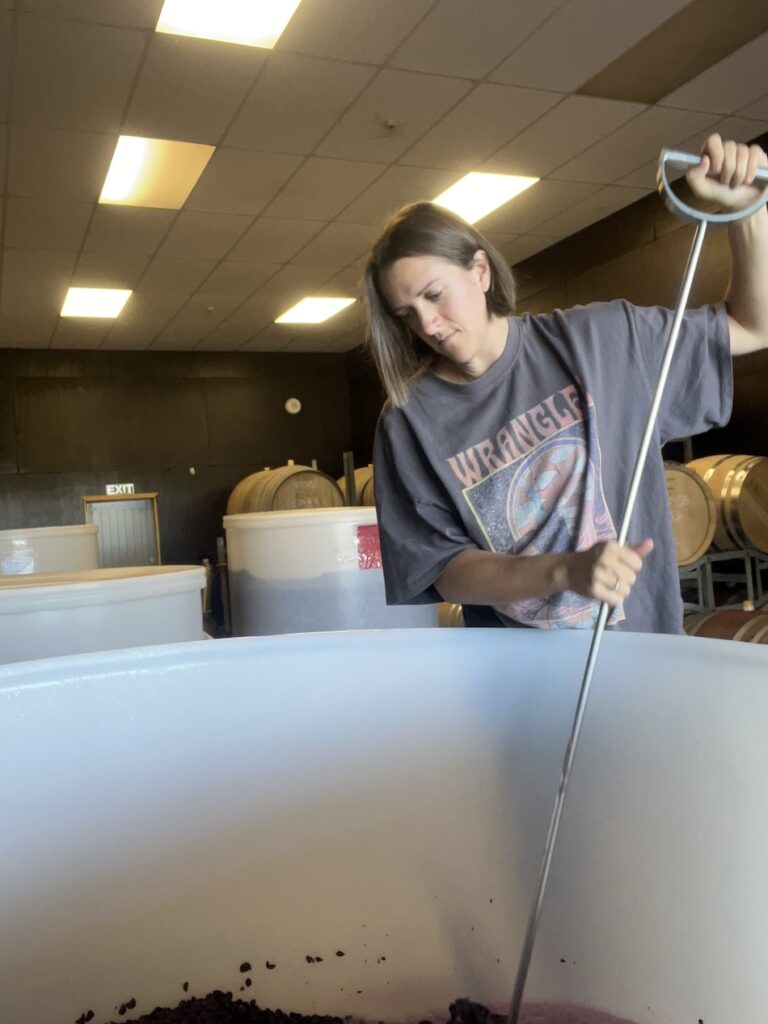
I would say I’m a sensory-based winemaker. I pick fruit based on phenolic ripeness (flavour and balance) as opposed to physiologic ripeness, and the same philosophy carries through in the winery. I’m tasting frequently and adjusting my winemaking based on this. I love texture and mouthfeel and try to focus on that by using seasoned oak, pied de curves/natural fermentation and letting the wines move through their seasons. I don’t generally filter or fine aiming to preserve liveliness, energy and expression in each bottle.
Can you tell me a bit more about the vineyards you are using ? Soil, clones etc?
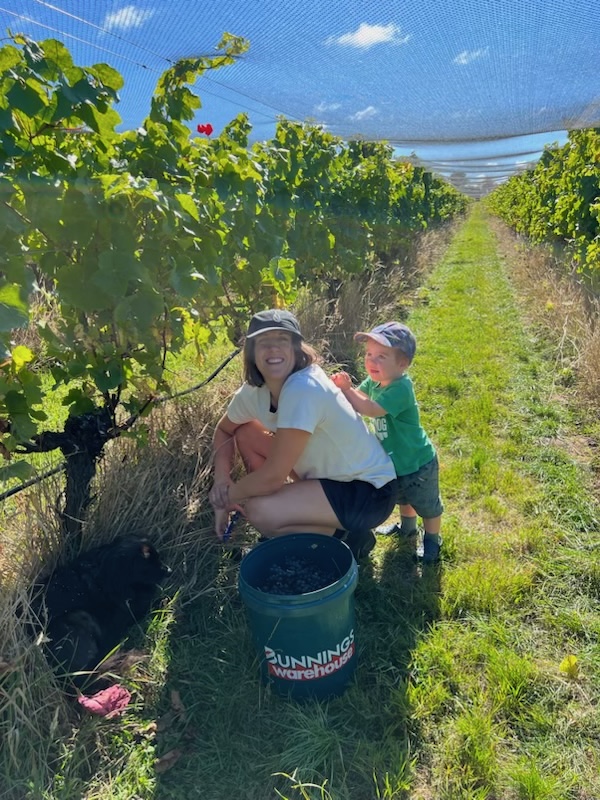
I buy fruit from organic growers. It can be one of the most challenging parts of being a small producer without a vineyard, but it’s also one of the most exciting. I get to work with different varieties, vineyards, and regions, which keeps each vintage fresh and inspiring.
For the last five years I’ve been sourcing Pinot Noir from the Grava Vineyard in Martinborough. The vineyard terraces the Ruamahanga River, so the soils vary from gravelly to clay-heavy, and I really enjoy the variation this brings to the site. I’ve been working with the Abel clone in various capacities since day one. It’s a late-ripening clone on a cooler site, later than the centre of Martinborough, and consistently delivers perfumed, elegant wines.
Do you prefer to collaborate or do your own thing?
In terms of winemaking, I prefer to do my own thing. I can be quite particular about certain aspects, but it’s always great to collaborate – sharing ideas, troubleshooting, and tasting blends with others brings fresh perspectives and inspiration.
If you could make any other wines, what would they be?
Méthode. I love Champagne and would drink it every day if I could. I got to play around with it while I was at Palliser, and it’s such an interesting wine to make. As a small producer, though, it’s tricky to cashflow a project like that.
What are the biggest lessons you’ve learned? One thing you wouldn’t do again?
I’ve learned to balance the creative and family side of life – I wouldn’t try to do everything at once again.
What is it about wine that brings you the most joy?
There are so many things. I love sharing wine with others and seeing people light up when they try something new. Creating those moments of enjoyment and connection is what it’s all about for me.
What do you think are any upcoming trends?
I’d like to see Sauvignon Blanc make a resurgence, they can be so diverse and interesting.
In what ways do you think the NZ wine industry might be affected by
a) Climate Change?
Climate change is already affecting vineyards in subtle ways – shifts in ripening times, heat stress, and disease pressure. For producers, it means being adaptable and attentive to each vintage more than ever.
b) A trend to towards drinking less wine?
There’s definitely a trend toward moderation, but I think people are drinking smarter rather than less – looking for quality, connection, and authenticity in their choices.
Do you have favourite wines from other people/places, and think “One day I’ll make something as good as that”? Do you have any stories to tell about discovering those?
One of my first memorable wine experiences was with a Millton Chenin Blanc, there was something special that captured me. A few years later, a group of us went up to Millton for a tasting, and James took us through a mammoth tasting session that went for most of the day. James was incredibly generous with his time, wine and stories. It really began to shift my understanding of wine, which until then had been mostly coming from a commercial production perspective.
Since then, I’ve had many inspirational wines. Domaine Labet and pretty much any wines from the Jura have been memorable drinking experiences. These wines continue to inspire me and push me to explore what’s possible in my own winemaking.
What’s your guilty pleasure?
I have to admit, scrolling through Instagram reels when I should probably be doing something else. It’s mindless, fun, and oddly comforting.
What was the last song you caught yourself singing to yourself?
I’m going through a bit of a house phase at the moment, and the song stuck in my head is ‘Nobody Said It Would Be Easy’ by Auntie Flo. It’s pretty funny because it feels like my mantra for parenthood at the moment.
Who would you most like to share a glass of your wine with (and why)?
I heard that Jacinda Ardern had a glass of my wine at Puffin once, and I would have loved to join her. I find her incredibly intelligent, kind, and courageous, and it would have been inspiring to share a moment over a glass together.
Check out the range of wines on halitewines.co.nz, and have a read of what i thought of these two samples.
Halite Ruby 2025
A red blend of Sangiovese and Pinot Noir from two biogro-certified vineyards. Osawa Vineyard in the Mangatahi subregion of Hawkes Bay, and Grava vineyard, 8km south of Martinborough. A wine that will take a chill well – serve it from the fridge, giving it about ten minutes to relax. A bright ruby red colour in the glass. The bouquet has cherry, orange peel, crushed shell, red liquorice, fennel and cloves. Quite tart and fresh, the plate brimming with acidity pushing the fruit forward. There is a pithy quality that adds grip, with a delicate tannin and fuzzy phenolic adding character. Dry, juicy and perfect for the summer table. 92pts
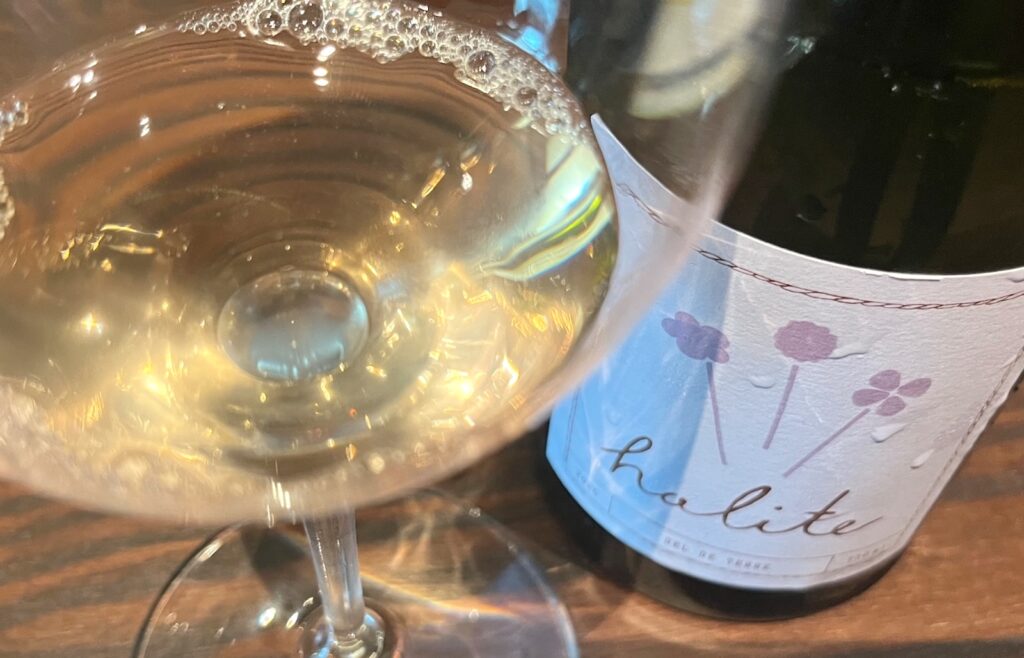
Halite ‘Sel de Terre’ 2025
A Sauvignon Blanc that’s also grown on the Grava Vineyard – on the terraces of the Ruamahanga River. A pale silvery green colour in the glass. The perfume isn’t varietally-typical – certainly to a New Zealand palate. Quite elegant and precise, with a very crisp salinity that feels like sea air, ozone and crushed shells. Lemon, grapefruit, apple and pineapple fruit flavours predominate, but there’s a terracotta earthiness as well, with dry verbena-herbal undertones. Filling out mid-palate, with a silky texture, but finishing refreshingly dry. 93pts