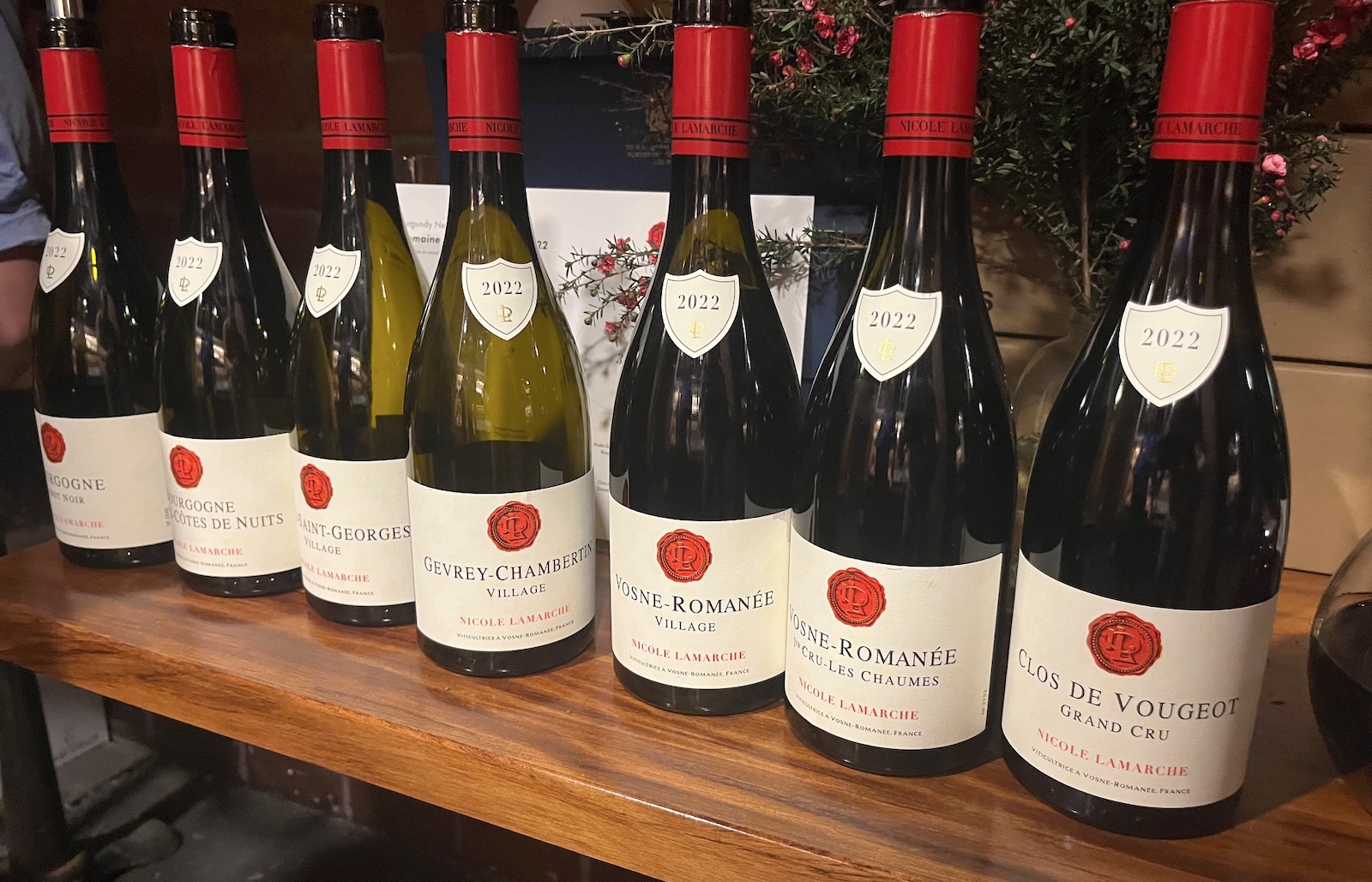
The Lamarche estate is located in the village of Vosne‑Romanée in Burgundy’s Côte de Nuits, and the family has roots in the region going back many generations. The domaine used to be known as Domaine François Lamarche. Under Nicole Lamarche’s leadership, from 2006, major changes were applied. The name change to Domaine Nicole Lamarche reflects her stewardship and the new direction for the estate. Many critics note that the estate underwent a “rebirth” under Nicole’s leadership, with improvements to both viticulture and winemaking.
The domaine’s holdings are exceptional, in prestigious parts of the Côte de Nuits, including the monopole Grand Cru La Grande Rue (1.65 ha), plus Grand Crus such as Echézeaux, Grands Échézeaux, and Clos de Vougeot. The domaine extends over about 11 hectares, planted almost entirely with Pinot Noir.
There were, however, even bigger changes happening to the Estate in recent years. After Francois Lamarche’s retirement, Nicole ran the domaine’s viticulture & winemaking; and sister Nathalie was responsible for the commercial side. But a “split” was confirmed around the 2020 vintage: Nathalie (and another family member) chose to claim her inheritance and an agreement was made where they would gain ownership of certain vineyard holdings from the domaine’s portfolio.
The change took effect from vintage 2022: several specific vineyards (totalling around 2.65 ha) were leased out on a 25-year basis to Domaine du Comte Liger‑Belair. Given the complexity of Burgundian inheritance law, family shares and vineyard holdings, the full ramifications may unfold over time but it is assumed that Nicole Lamarche wanted to keep control of their ‘crown jewel’ the La Grande Rue vineyard. The importance of this vineyard cannot be understated as it borders directly the legendary vineyards of La Romanée, La Tâche and Romanée Conti.
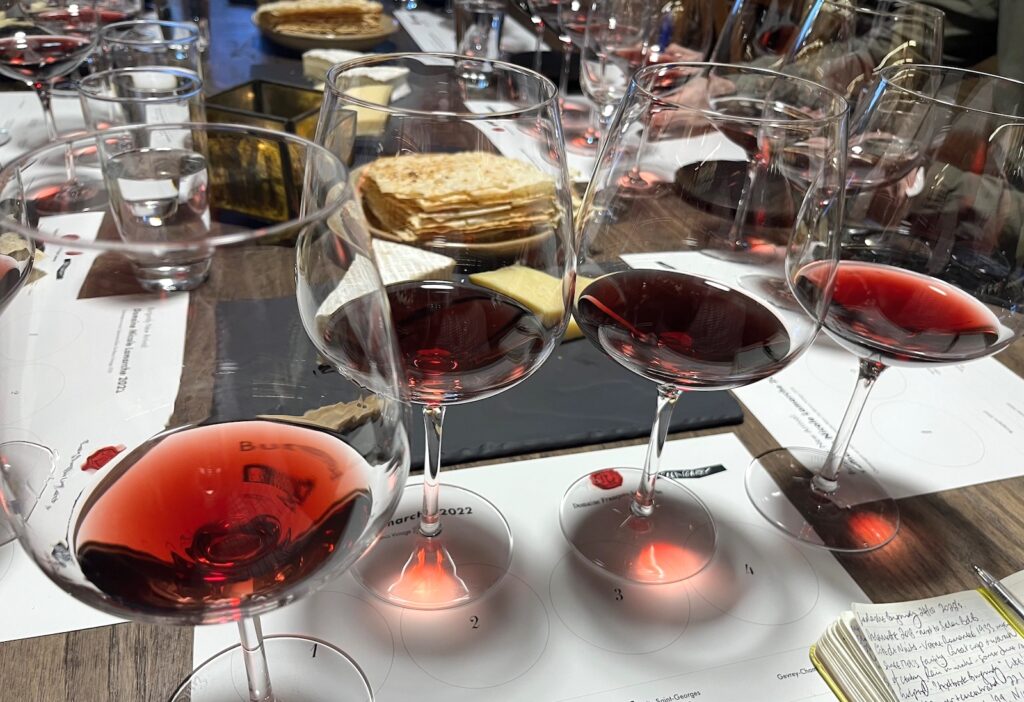
The vineyards have been farmed organically since 2010. They still use horse-ploughing in certain parcels (notably La Grande Rue) as part of the move toward gentler viticulture. The crop is hand-harvested, then carefully sorted (in vineyard and again in cellar). In the cellar, gentle handling, cold maceration and modest use of new oak (although this varies depends on the cru) are the trademarks – and since 2020 trials with amphora vessels have been going on.
The house style emphasises finesse, elegance and terroir expression, rather than extraction and power. It has been summed up as “unforced, natural, elegant and very terroir expressive”. Production is limited – due to small holdings, low yields, and manual work, quantities are small. But, their reputation is stellar, which affects desirability and pricing of the wines.
A tasting at Glengarry – who have imported the wines for decades – gave a few customers the chance to taste through the new releases, from the excellent 2022 vintage. This year is referred to as “textbook Burgundy” by commentators such as Jasper Morris, and possibly is the best vintage of this century so far – being compared to the superb 1999.
We start with the Bourgogne 2022 which is a light ruby colour and has a precise, clean bouquet. Soft tannins and good acid with a juicy edge serve up a lovely entry level Pinot Noir. Bourgogne Hautes Côtes de Nuits 2022 from the ‘back hills’ turns out to be a big hit around the table. Starting off with a shy perfume, it builds into a crunchy palate with raspy tannin and bright red fruit flavours.
More depth and ‘stuffing’ (as our host Nick Pound describes it) comes from the Nuits St. Georges Rouge 2022. Rose, liquorice, raspberry and blackcurrant come piling out of the glass. Good muscle to the palate and some chewy tannin.
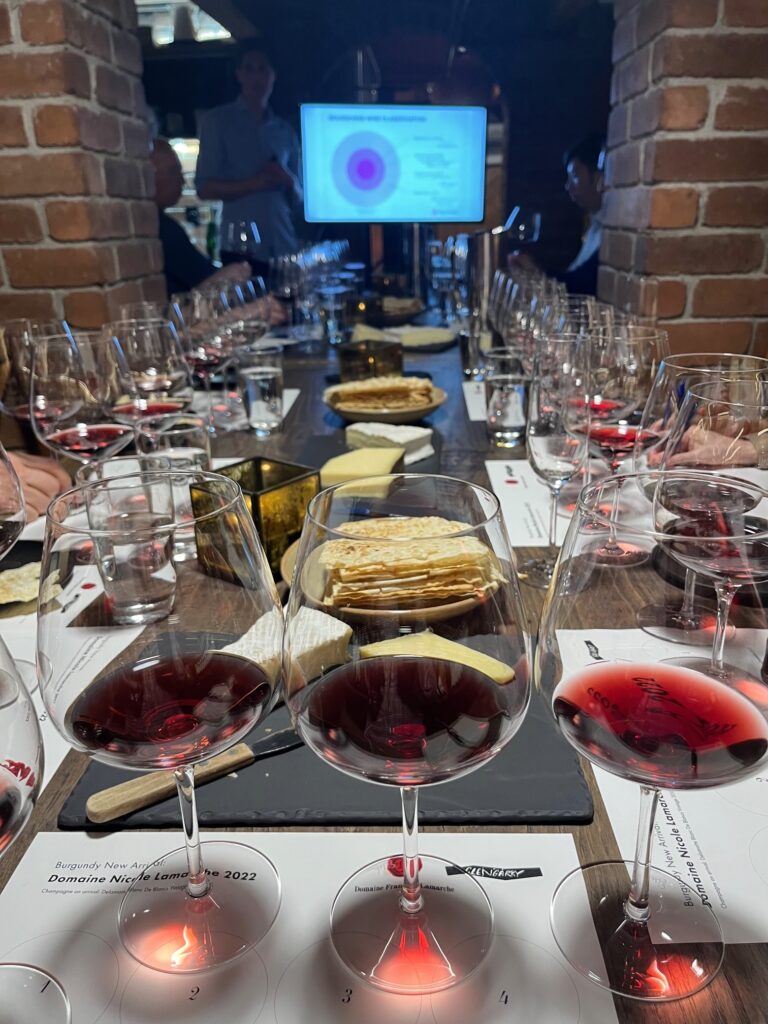
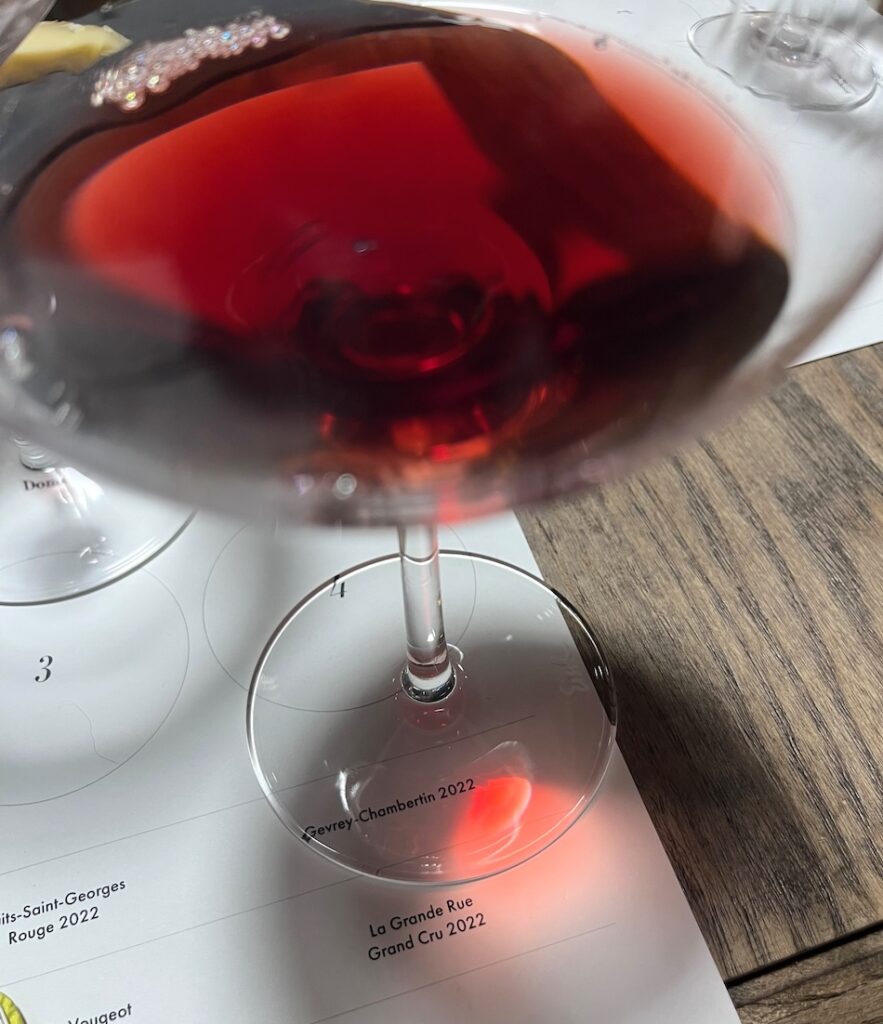
Gevry Chambertin 2022 is softer, with a creamy, lactic texture. Savoury notes of salami, mushroom, spice and truffle come through here, amongst a pop of cherry and redcurrant. There is some amphora ferment happening in this one, which might reflect the lightness and minerality of what’s in the glass.
Moving to home ground and the Vosne-Romanée 2022 is quite heady and sweet-fruited, with mulberry, plum and strawberry fruits. A garnet-crimson colour in the glass. Nice oak notes and a balsam/soy savouriness. Up a level, and Vosne-Romanée 1er Cru Les Chaumes 2022 is a vineyard located just under Aux Malconsort and La Tâche. It has more drive, with spices and florals in the aromas suggesting more whole bunch. With that muscle is also a sinewy, bony earthiness that adds complexity. There is a fine, polished finish.
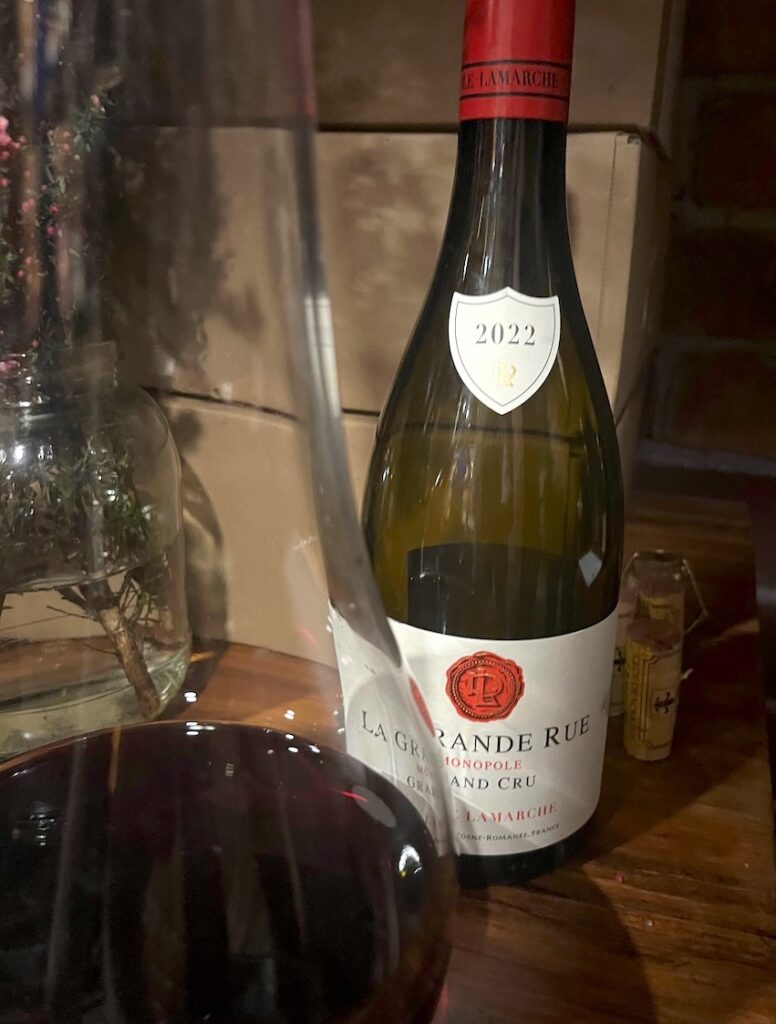
The Grand Cru wines of Lamarche hum rather than shout – Nick decides to serve the La Grand Rue 2022 before the Clos de Vougeot 2022 due to the ‘size’ of the two wines. He’s double decanted the wines after opening them seven hours prior to the event, and can tell that the Vougeot is the big boy of the night. In the ‘40s and ‘50s the stature of La Grand Rue was such that there were a slew of ‘imposters’ as people tried to copy and pass off their wines as it. There is a meatiness on the nose, with a smoky, savoury complexity. Mint, bitters, raspberry and almond also feature in my notes. Although modern Burgundy is built to drink so much earlier than it used to be, this really does need the archetypal ten years to reach maturity. Try to hide it away.
Clos de Vougeot is a different beast to La Grand Rue. The latter is a monopole – Lamarche are sole owners, but Vougeot has always had multiple producers making wines from within its walls. The Lamarche rows are in a great position – up near Leroy and the beautiful Chateau building. Boldly fruited, with bramble, pomegranate and lavender. Also has that signature ‘forest floor’ and a toasty oak note. Elegant and spicy but quite a boisterous handful all the same. Will also last for decades. I drank a 2013 Clos de Vougeot a couple of months ago and it was still a pup.
Glengarry has a good range of Lamarche wines, but do bear in mind that the 2022 is considered to be a great vintage, so don’t delay picking out your choices for the cellar.